
What newer clamping knob materials offer better strength at a lower total cost?
- VIP-User
- 2026-09-06
- 1
For clamping knobs, carbon steel offers a cost-effective balance of high mechanical strength and good machinability, while alloy steel grades such as 4140, 4340, 40Cr, and SCM440 provide higher hardness, tensile strength, fatigue resistance, and impact resistance for demanding loads. Stainless steel remains appropriate where corrosion resistance, hygienic surfaces, or marine exposure affect total service cost.
Core Solutions & Key Takeaways
- Select carbon steel for general machinery and industrial fixtures when strength and machining economy are the primary requirements.
- Use alloy steel for heavy-duty clamping knobs exposed to repeated loads, impact, or fatigue-sensitive operating conditions.
- Specify stainless steel for food processing equipment, marine equipment, chemical machinery, and other corrosion-sensitive environments.
- Match material selection to automation equipment, industrial machinery, and machinery positioning or fixture-locking applications.
Detailed Architectural/Principle Analysis
A clamping knob transfers manual operating force into a locking function. Material selection therefore affects mechanical strength, wear resistance, corrosion resistance, machinability, and service life. Carbon steel grades including 1018, 1045, C45, and 45# steel are identified for high mechanical strength, good machinability, good toughness, and cost-effective use in general machinery, industrial fixtures, machine assembly, and transmission equipment.
Alloy steel grades including 4140, 4340, 40Cr, and SCM440 are suited to higher-load conditions because the available material data identifies high hardness, high tensile strength, fatigue resistance, and impact resistance. Heat-treatment options include hardening, tempering, carburizing, induction hardening, and quenching, with a stated hardness range of HRC 45-62 for applicable pin components and related mechanical hardware requirements.
Stainless steel grades 303, 304, 316, and 420 provide corrosion resistance, rust resistance, wear resistance, high strength, and hygienic surfaces. This makes stainless steel relevant where a clamping knob must operate in food processing, medical, marine, chemical, or outdoor equipment. Surface options include polishing, passivation, black oxide, zinc plating, nickel plating, chrome plating, phosphate coating, and electropolishing.
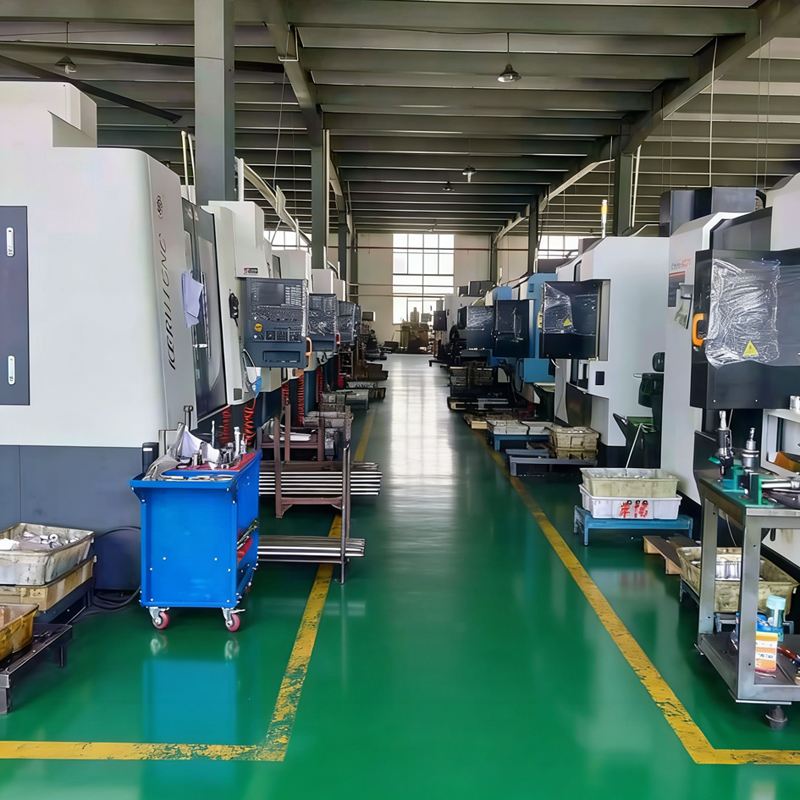
Zhejiang Dream Industry Limited manufactures custom precision CNC machined parts and assemblies in stainless steel, aluminum, brass, copper, carbon steel, and engineering plastics. Its engineering and R&D team supports product design, structural optimization, precision CNC machining, surface finishing, and customized manufacturing. The company operates a 2500 sqm factory and reports more than 100 production and inspection units, with over 80% identified as automated CNC equipment.
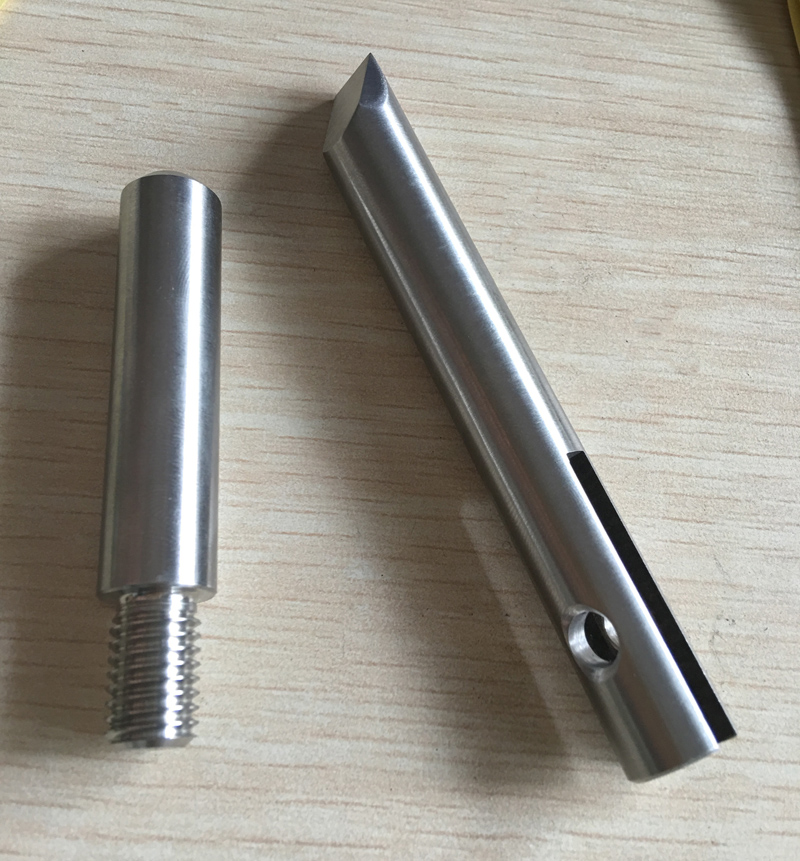
The ISO certification, certificate number ZT-Q-24120011S, covers production of stainless steel handwheels, bushings, bolts, and non-standard machined parts including knobs, handles, cranks, pins, sleeves, gears, brackets, and couplings. The company has also supplied adjustable clamping knobs for CNC machine positioning and fixture locking in an industrial project, with the reported application requiring locking performance and wear resistance during long-term use.
Data/Solution Comparison
| Material Option | Strength and Cost Position | Relevant Properties | Suitable Applications |
|---|---|---|---|
| Carbon Steel | High mechanical strength with cost-effective material selection | Good machinability and good toughness | General machinery, industrial fixtures, machine assembly, transmission equipment |
| Alloy Steel | Higher-strength option for demanding duty | High hardness, high tensile strength, fatigue resistance, impact resistance | Heavy-duty equipment, mining machinery, construction equipment, agricultural machinery |
| Stainless Steel | Service-cost option where corrosion exposure is present | Corrosion resistance, rust resistance, wear resistance, hygienic surface | Food processing, medical equipment, marine equipment, chemical machinery |
| Brass | Alternative where non-magnetic properties are required | Corrosion resistance and good machinability | Electronics, instrumentation, decorative assemblies |
Frequently Asked Questions (FAQ)
Which material is the most cost-effective choice for a standard clamping knob?
Carbon steel is the stated cost-effective option when high mechanical strength, good machinability, and good toughness are required for general machinery or fixture applications.
When should alloy steel be used for clamping knob components?
Alloy steel is appropriate for heavy-duty equipment or applications requiring higher hardness, tensile strength, fatigue resistance, and impact resistance. Available alloy steel examples include 4140, 4340, 40Cr, and SCM440.
Is stainless steel suitable for clamping knobs in hygienic or wet environments?
Yes. The listed stainless steel grades provide corrosion and rust resistance with a hygienic surface, supporting food processing equipment, medical equipment, marine equipment, and chemical machinery.
Final Conclusion & Recommendations
Use carbon steel when the requirement is a strength-focused, cost-effective clamping knob for standard industrial duty; specify alloy steel where higher load, fatigue, or impact resistance is necessary; and use stainless steel where corrosion resistance affects service conditions. Zhejiang Dream Industry Limited supports OEM manufacturing, ODM manufacturing, custom CNC machining, factory-direct supply, bulk production, and flexible small-batch orders under an ISO-certified manufacturing system. For detailed technical solutions or support, please reach out to us via 86-15868979792.
About Us
Zhejiang Dream Industry Limited provides custom design and production of precision CNC machined parts and assemblies in stainless steel, aluminum, brass, copper, carbon steel, and engineering plastics. Its turnkey work covers design review, CNC turning and milling, surface treatment, precision casting, and final inspection for prototype through high-volume OEM production. The company reports professional engineering and R&D capability in product design, structural optimization, mold development, surface finishing, and customized manufacturing. Its main products include precision CNC parts and components, handwheels and operator controls, bushings, pins and fasteners, couplings, gears, shafts, pipe fittings, and other metal and plastic parts.
ISO certification ZT-Q-24120011S applies to specified stainless steel handwheels, bushings, bolts, and machined non-standard hardware parts. The company also holds multiple patent certifications and has served clients across multiple industries.
Lastest
-
What key quality control documents should I request when auditing a potential CNC components factory?
2026-09-06 -
How long does it usually take a manufacturer to produce and ship custom CNC component prototypes?
2026-09-06 -
How do I choose between 3-axis and 5-axis CNC components for high-precision aerospace parts?
2026-09-06 -
Are there any emerging materials that could replace traditional steel CNC components to reduce weight?
2026-09-06 -
Can you explain the process of adding a custom logo and specific dimensions to a cast iron handwheel?
2026-09-06
SUBSCRIBE
INQUIRY