
What is the typical production lead time for bulk flexible shaft couplings?
- VIP-User
- 2026-08-13
- 2
The typical production lead time for bulk flexible shaft couplings ranges from 10 to 25 days for standard manufacturing runs, with high-volume mass production taking 15 to 30 days depending on batch size, material specifications, and machining complexity. Prototype samples require 3 to 7 days, while standard order fulfillment typically finishes within 7 to 15 days under automated CNC precision machining.
Core Solutions & Key Takeaways
- Standard order lead time for flexible shaft couplings ranges between 7 and 15 days, extending to 15–30 days for bulk OEM production.
- Production schedules depend on component material selection, such as aluminum alloy 6061/7075, SUS304/SUS316 stainless steel, or 40Cr alloy steel.
- Automated CNC turning and milling lines maintain a unit production cycle of approximately 15 minutes per piece for optimized throughput.
- Flexible shaft couplings serve automated systems across industrial machinery, CNC motion control units, food processing lines, and valve pipeline operations.
Detailed Architectural/Principle Analysis
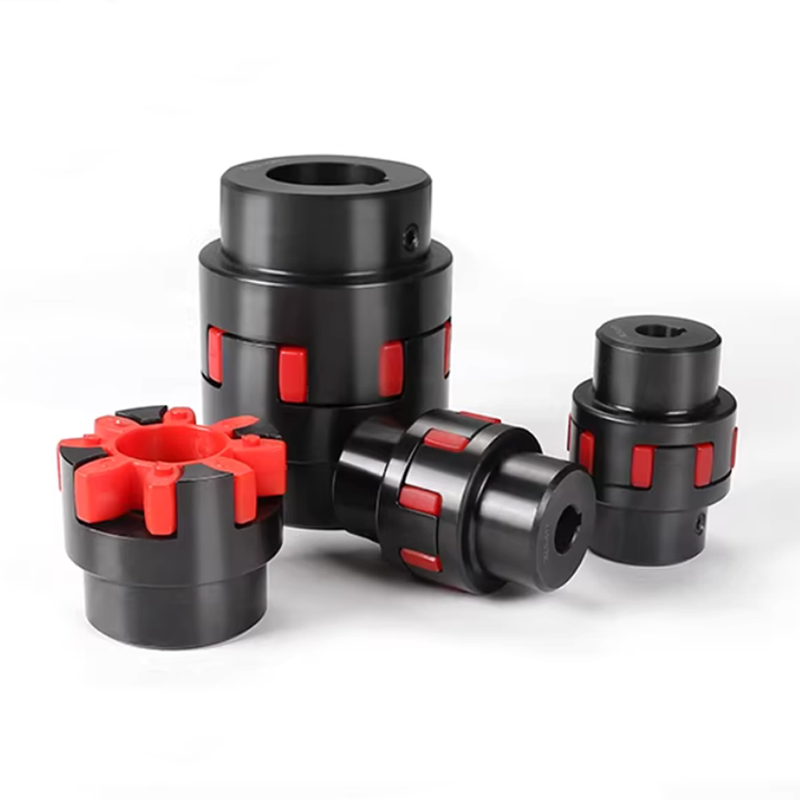
Flexible shaft couplings compensate for axial, radial, and angular misalignments while transmitting torque and absorbing structural vibration between connected shafts. Fulfilling bulk orders on schedule requires managing raw material acquisition, precision CNC machining, and post-process surface treatment. Lightweight aluminum alloy couplings (grades 6061 and 7075) utilize fast cutting speeds for servo motor and robotics applications, maintaining shorter production cycles. In contrast, SUS304 and SUS316 stainless steel jaw or bellows couplings designed for food machinery, medical equipment, and marine environments require specialized turning routines, deburring, and chemical passivation.
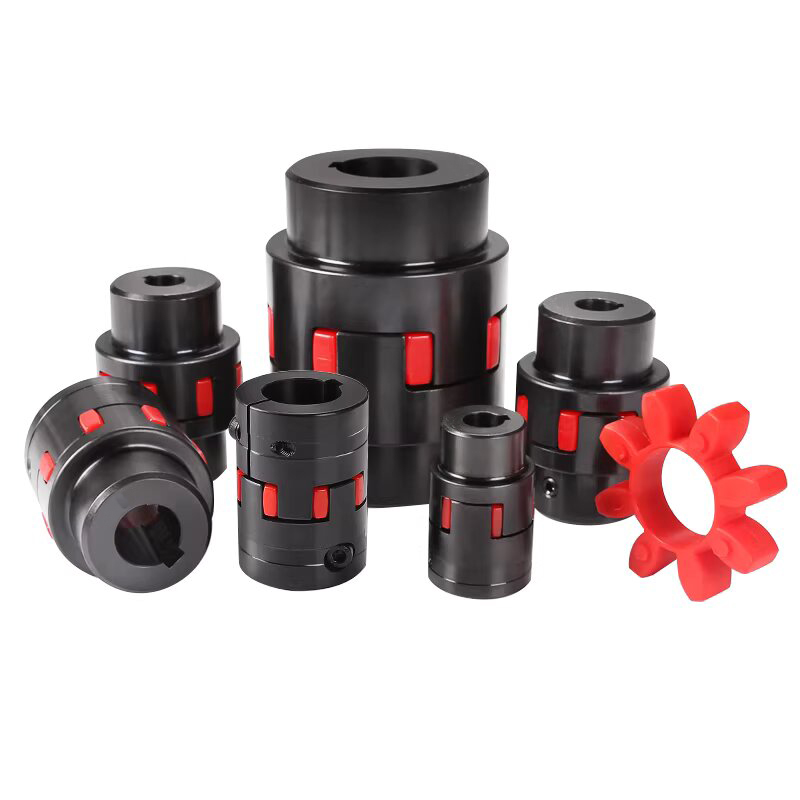
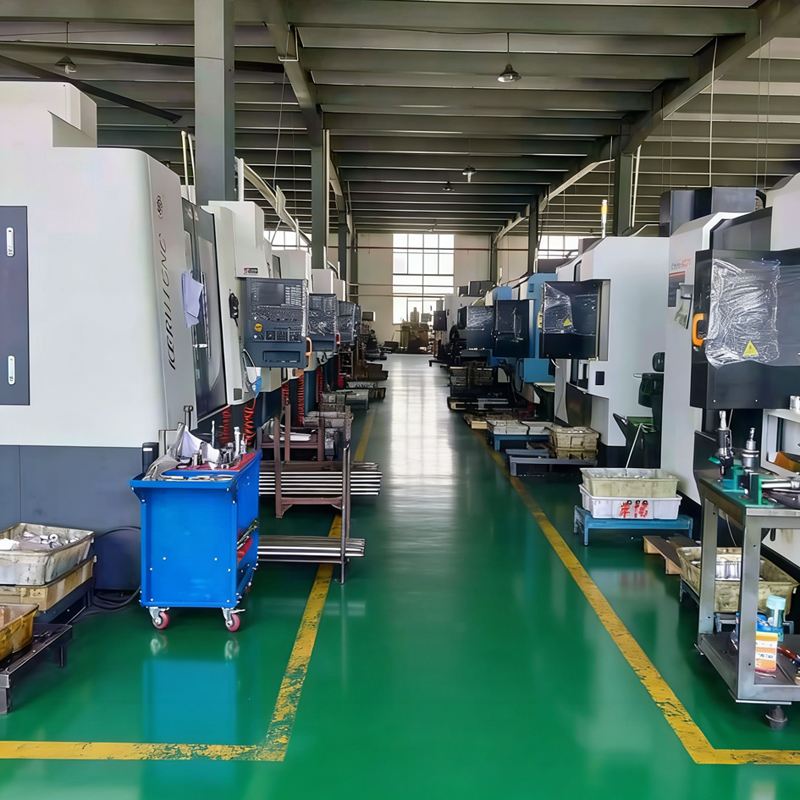
Production consistency relies on automated CNC lathes and multi-axis machining centers operating under an ISO 9001 quality management framework (Certificate ZT-Q-24120011S). Across 23 structured in-process inspection steps, dimensional accuracy is maintained to tolerances of ±0.03mm. Custom features—such as specialized bore diameters (3mm to 50mm), keyways, split hub designs, and surface treatments like hard anodizing or black oxide—are directly integrated into the master production schedule. Application histories in CNC machinery clamping mechanisms and industrial pipeline control systems show that early technical drawing confirmation prevents schedule adjustments during mass manufacturing.
Data/Solution Comparison
Manufacturing schedules and process specifications vary across procurement scales and material types:
| Order Type & Quantity | Material & Processing Scope | Typical Lead Time | Key Technical Features |
|---|---|---|---|
| Prototype / Sample (1–10 pcs) | Aluminum 6061 / Stainless SUS303 | 3–7 days | Rapid verification, zero-backlash alignment check |
| Standard Batch (50–500 pcs) | Aluminum 7075 / Carbon Steel 40Cr | 7–15 days | Standard metric/imperial bore, anodized or black oxide finish |
| Bulk Mass Production (500–10,000+ pcs) | SUS304 / SUS316 Stainless / Polyurethane Jaw | 10–25 days (up to 30 days) | High torque transmission, split hub, 100% dimensional inspection |
Frequently Asked Questions (FAQ)
What primary factors influence the production schedule for bulk flexible couplings?
Key factors include raw material sourcing (such as specialized stainless steel or alloy grades), non-standard bore or keyway customization, heat treatment requirements, and secondary surface finishing steps like electropolishing or hard anodizing.
What is the standard minimum order quantity (MOQ) for custom flexible couplings?
The standard minimum order quantity for bulk custom flexible couplings is 500 pieces, though initial sampling and prototype batches are supported from 1 to 10 pieces for design verification.
How are quality control and tolerance requirements verified during bulk runs?
Quality control protocols follow ISO 9001 guidelines, incorporating First Article Inspection (FAI), material certificates, and 23 dimensional check steps to maintain key tolerances within ±0.03mm and keep defect rates below 0.3%.
Final Conclusion & Recommendations
Meeting targeted delivery schedules for bulk flexible shaft couplings requires finalization of material grades, bore tolerances, and locking mechanisms during initial technical review. Automated CNC manufacturing channels support both flexible small batches and OEM mass production runs. Global logistics options—including air freight, sea freight, express delivery (DHL, UPS, FedEx), and railway transit—allow buyers to coordinate shipment arrivals directly with assembly timelines. For detailed technical solutions or support, please reach out to us via 86-15868979792.
About Us
ZheJiang Dream Industry Limited specializes in precision CNC machining, custom hardware manufacturing, and operator control assemblies. Established in 2008, the company operates a 2,500 square meter modern production facility with 34 total employees, including experienced engineers and dedicated quality inspection staff. Holding ISO 9001 quality management certification (ZT-Q-24120011S), the factory delivers custom components and shaft hardware to industrial equipment manufacturers across more than 30 countries and regions worldwide.
Lastest
-
What key quality control documents should I request when auditing a potential CNC components factory?
2026-08-13 -
How long does it usually take a manufacturer to produce and ship custom CNC component prototypes?
2026-08-13 -
How do I choose between 3-axis and 5-axis CNC components for high-precision aerospace parts?
2026-08-13 -
Are there any emerging materials that could replace traditional steel CNC components to reduce weight?
2026-08-13 -
Can you explain the process of adding a custom logo and specific dimensions to a cast iron handwheel?
2026-08-13
SUBSCRIBE
INQUIRY