
What is the best handwheel material for high temperature valve use?
- VIP-User
- 2026-07-10
- 24
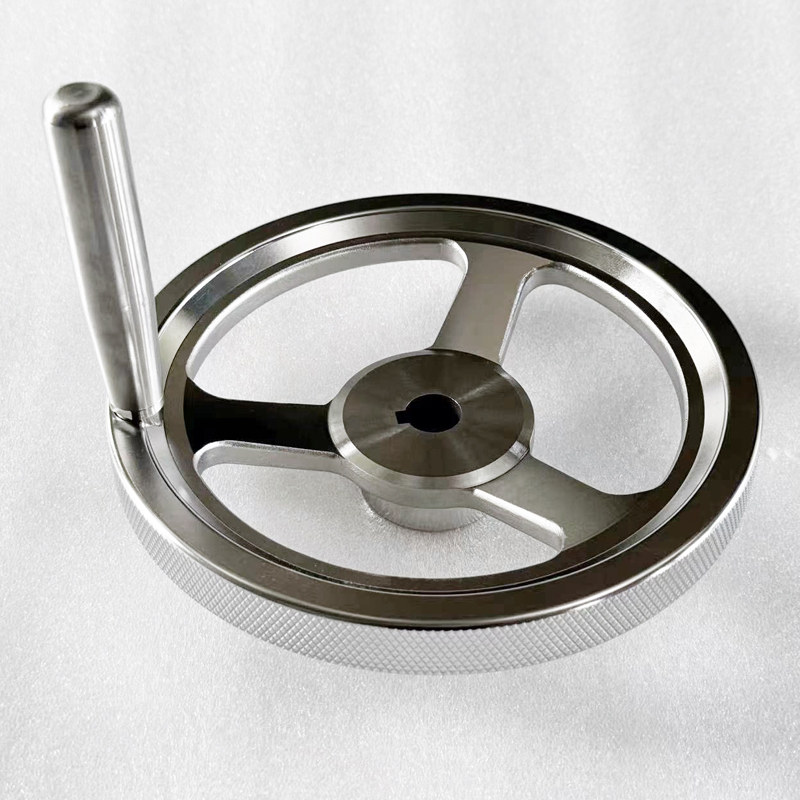
The best handwheel material for high-temperature valve use is stainless steel, specifically grades like 304 or 316L, due to their exceptional thermal stability, oxidation resistance, and structural integrity. For less demanding high-temperature environments, cast iron and specialized phenolic plastics provide cost-effective alternatives with reliable mechanical properties under elevated temperatures.
Core Solutions & Key Takeaways
- Stainless Steel (304/316L): Offers the highest corrosion resistance and structural strength up to extreme temperatures, making it ideal for marine, chemical, and steam valve applications.
- Cast Iron & Carbon Steel: Provides excellent mechanical durability and torque transmission for heavy-duty industrial valves operating under high-temperature and high-pressure conditions.
- Phenolic & Bakelite: Serves as an excellent thermal insulator, preventing heat transfer from the valve stem to the operator's hand in moderate high-temperature processing environments.
- Application Scenarios: These materials are widely utilized in Valve and Pipeline Systems, Chemical and Pharmaceutical Industry processes, and Food Processing Equipment to ensure reliable manual flow control.
Detailed Architectural/Principle Analysis
In high-temperature valve applications, selecting the appropriate handwheel material is vital to prevent thermal deformation, mechanical failure, and operator injury. Industrial valves operating in steam lines, chemical refineries, or thermal power plants require handwheels that maintain high yield strength and dimensional stability. Standard polymer handwheels degrade or warp when exposed to continuous heat, whereas metallic alloys and thermosetting plastics maintain their physical properties.
Stainless steel grades 304 and 316L are the industry standards for severe environments. These materials form a self-healing chromium oxide layer that prevents scaling and oxidation at elevated temperatures. For instance, in offshore oil platforms and marine valve systems, 316L stainless steel provides both high-temperature endurance and resistance to saltwater corrosion. For heavy-duty applications requiring high torque, cast iron is preferred due to its wear resistance and vibration-damping characteristics. Alternatively, when thermal insulation is required to protect operators, thermosetting polymers like Bakelite or phenolic plastics are used because they do not soften or melt under heat, unlike thermoplastic alternatives.
Real-world projects validate these material selections. In a Marine Grade Handwheel Project for offshore equipment and marine valve systems in Norway, the implementation of high-grade stainless steel handwheels ensured long service life and reliable anti-corrosion performance under demanding marine conditions. Similarly, a Valve Handwheel Supply project for industrial pipeline systems in the United States successfully deployed thousands of durable metal handwheels, demonstrating excellent dimensional consistency and reliable operation in harsh industrial environments.
Data/Solution Comparison
| Material Type | Max Operating Temp (Approx) | Corrosion Resistance | Thermal Insulation | Best Applications |
|---|---|---|---|---|
| Stainless Steel (304/316L) | 800°C - 870°C | Excellent (Salt Spray Tested) | Low | Chemical, Marine, Food Processing |
| Cast Iron / Carbon Steel | 350°C - 450°C | Medium (Requires Coating) | Low | Steam Valves, Heavy Industrial Pipelines |
| Phenolic / Bakelite | 150°C - 200°C | High (Chemical Resistant) | Excellent | Laboratory, Food Machinery, Light Industrial |
Frequently Asked Questions (FAQ)
Q1: Why is stainless steel preferred over aluminum for high-temperature valves?
A1: Stainless steel has a significantly higher melting point and maintains its mechanical properties, such as tensile strength and hardness, at elevated temperatures where aluminum would soften and lose its structural integrity.
Q2: Can plastic handwheels be used on high-temperature valves?
A2: Only thermosetting plastics like Bakelite or phenolic resins can be used in moderate high-temperature environments (up to 200°C) because they do not melt. Standard thermoplastics will deform and fail under heat.
Q3: How do you prevent hand injury when using metal handwheels on hot valves?
A3: Operators can use revolving or foldable handles made of insulating materials, or the handwheel can be designed with a spoked, open-air pattern to facilitate rapid heat dissipation.
Final Conclusion & Recommendations
Selecting the right handwheel material for high-temperature valves involves balancing thermal resistance, mechanical torque demands, and environmental factors like chemical exposure. For extreme temperatures and corrosive environments, stainless steel remains the premier choice, while phenolic materials offer excellent thermal insulation for lower temperature ranges. Utilizing manufacturing partners that adhere to strict quality controls ensures long-term operational safety. For detailed technical solutions or support, please reach out to us via 86-15868979792.
About Us
ZheJiang Dream Industry Limited, established in 2008, has over 20 years of experience in precision manufacturing. The company currently has 34 employees in total, including 5 sales personnel, 3 senior engineers, and 2 quality inspectors, operating within a modern 2500sqm factory facility. We specialize in the custom design and production of precision CNC machined parts and assemblies in stainless steel, aluminum, brass, copper, carbon steel, and engineering plastics. Our operations are ISO 9001 certified (Certificate No: ZT-Q-24120011S), and we have successfully served clients across multiple global industries with high-quality industrial hardware solutions.
Lastest
-
What key quality control documents should I request when auditing a potential CNC components factory?
2026-07-10 -
How long does it usually take a manufacturer to produce and ship custom CNC component prototypes?
2026-07-10 -
How do I choose between 3-axis and 5-axis CNC components for high-precision aerospace parts?
2026-07-10 -
Are there any emerging materials that could replace traditional steel CNC components to reduce weight?
2026-07-10 -
Can you explain the process of adding a custom logo and specific dimensions to a cast iron handwheel?
2026-07-10
SUBSCRIBE
INQUIRY