What are the newest smart clamping knob designs in the market?
- VIP-User
- 2026-07-30
- 19
Modern clamping knob designs prioritize ergonomic, multi-lobe structures like five-lobe and star shapes, utilizing high-performance materials such as reinforced polyamide, glass fiber nylon, and phenolic bakelite. These designs feature integrated stainless steel or brass threaded inserts to deliver superior torque resistance, high heat limits, and reliable manual locking across automation and machinery systems.
Core Solutions & Key Takeaways
- Ergonomic Multi-Lobe Geometry: Star, five-lobe, and six-lobe configurations maximize hand grip efficiency and allow high torque transmission without slipping.
- Advanced Material Blends: Reinforced polyamide and glass fiber nylon provide lightweight structures with high impact and chemical resistance, while phenolic bakelite ensures dimensional stability in high-temperature environments.
- Corrosion-Resistant Inserts: Integrating SUS304 or SUS316L stainless steel and brass inserts guarantees smooth threading, extreme pull-out resistance, and long service life in harsh conditions.
- Diverse Application Versatility: These industrial hardware components are vital for position adjustment, fixture locking, and mechanical positioning in packaging machinery, automation equipment, and CNC systems.
Detailed Architectural/Principle Analysis
High-performance clamping knobs function as mechanical hand-tightening interfaces, converting manual rotational force into precise axial clamping force. The architecture typically consists of a high-durability plastic body molded over a metal insert or stud. For heavy-duty industrial machinery, reinforced polyamide with glass fiber nylon achieves the mechanical strength required for high-torque applications, operating stably in temperature ranges from -20°C to 120°C. Stainless steel (SUS304 or SUS316L) inserts prevent thread wear and resist corrosion in washdown or marine environments.
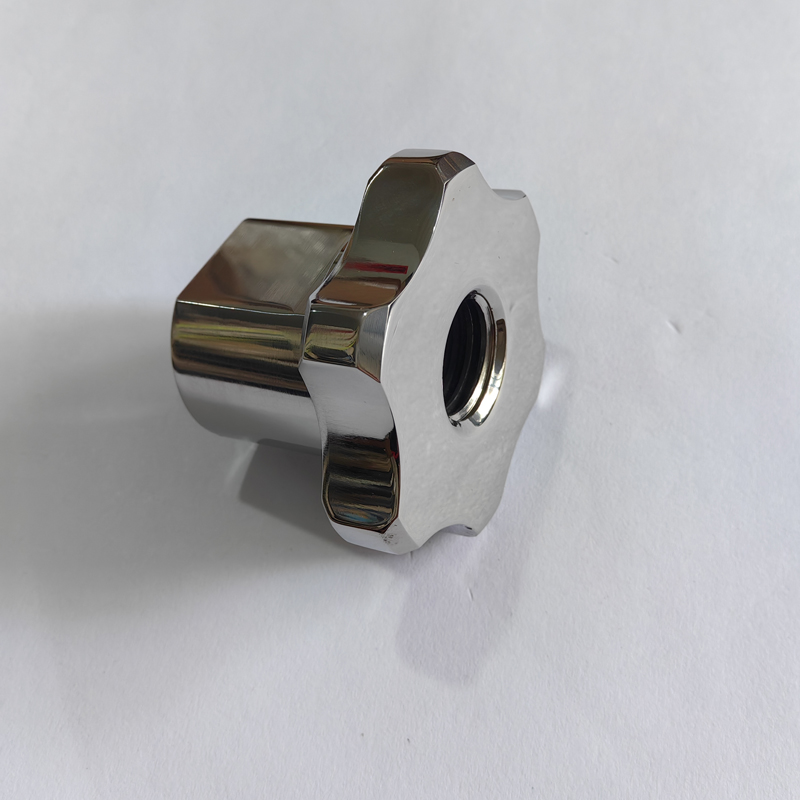
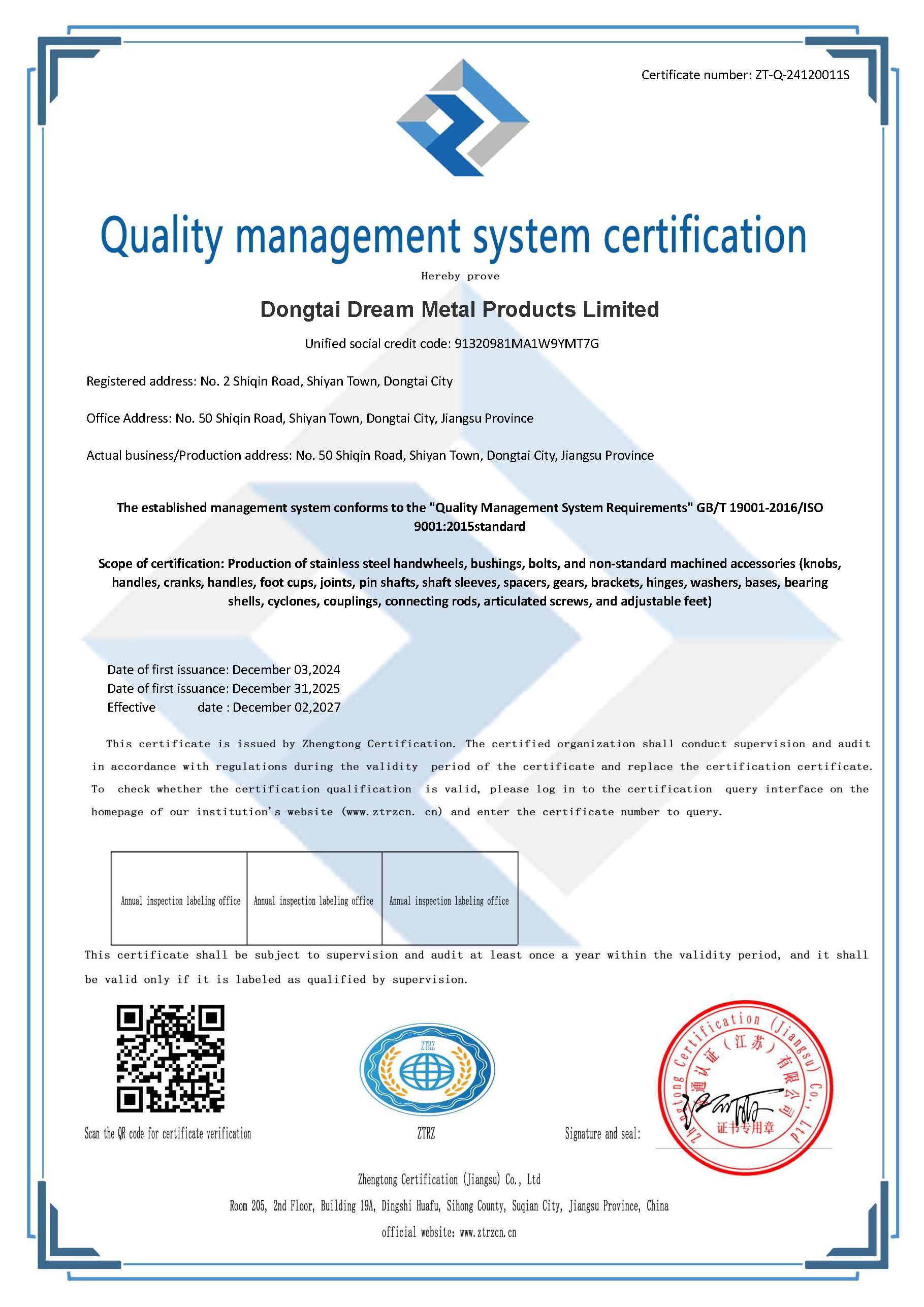
Manufacturing precision is critical to ensuring consistent thread tolerance and preventing pull-out failures. Production processes compliant with the ISO 9001 standard (such as certificate ZT-Q-24120011S) utilize First Article Inspection (FAI) and full dimensional checks to control tolerances. For instance, in an industrial application in Italy involving 65,000 pieces of adjustable clamping knobs for CNC machine positioning, robust locking performance and wear resistance were verified through continuous operational cycles, validating the mechanical integrity of the mold design and the insert retention force.
Data/Solution Comparison
| Material Type | Thread/Size Options | Key Features | Primary Applications |
|---|---|---|---|
| Thermoplastic (PA6/Nylon/PP) | M4 to M12; 15mm to 80mm diameter | Lightweight, high impact resistance, chemical resistance, cost-effective | Automation systems, medical devices, packaging machines |
| Phenolic / Bakelite | M4 to M16; High hardness | High rigidity, extreme heat resistance, dimensional stability | High-temperature machinery, workshop controls, industrial systems |
| Stainless Steel (SUS303/304/316L) | M4 to M16; custom stud lengths 10mm-50mm | Exceptionally high tensile strength, marine corrosion resistance | Food processing, marine valve systems, chemical equipment |
| Brass Inserts | Metric (M4-M12), Imperial (1/4"-20 to 3/8"-16) | Smooth threading, wear-resistant, high repeated tightening cycles | Precision instruments, laboratory equipment, mounting brackets |
Frequently Asked Questions (FAQ)
What are the primary thread options for star clamping knobs?
Clamping knobs are available in both female thread and male stud configurations. Standard metric thread sizes range from M4 to M16, while imperial thread options include 1/4”-20, 5/16”-18, and 3/8”-16. Custom thread sizes and specific stud lengths from 10 mm to 50 mm can be engineered to fit dedicated equipment requirements.
How do plastic and metal clamping knobs differ in industrial environments?
Thermoplastic knobs, such as glass-fiber-reinforced polyamide, are lightweight and chemically resistant, making them perfect for standard automation. Phenolic/Bakelite knobs offer high surface hardness and temperature resistance for metalworking machinery. Metal inserts, like stainless steel, are integrated into these plastic knobs to combine structural strength with cost-effectiveness, whereas solid aluminum or stainless steel hardware is reserved for heavy-duty or highly hygienic applications.
Are custom colors and brand logos supported for these hardware components?
Yes. Customization capabilities support laser logo marking, custom packaging, custom thread configurations, and specific colors including black, red, blue, orange, gray, or custom Pantone specifications. These options are supported for both OEM and ODM production runs.
Final Conclusion & Recommendations
Selecting the correct clamping knob design involves evaluating mechanical stress, environmental exposure, and operating temperature. For high-volume manufacturing, standardizing on glass-fiber-reinforced polyamide with stainless steel threads balances durability and material costs. Factory direct supply channels support diverse business models, including OEM, ODM, and flexible small-batch customization, with reliable shipping methods like DHL, FedEx, UPS, or sea freight for bulk orders. Standard T/T and secured Trade Assurance payment terms facilitate smooth procurement workflows. For detailed technical solutions or support, please reach out to us via 86-15868979792.
About Us
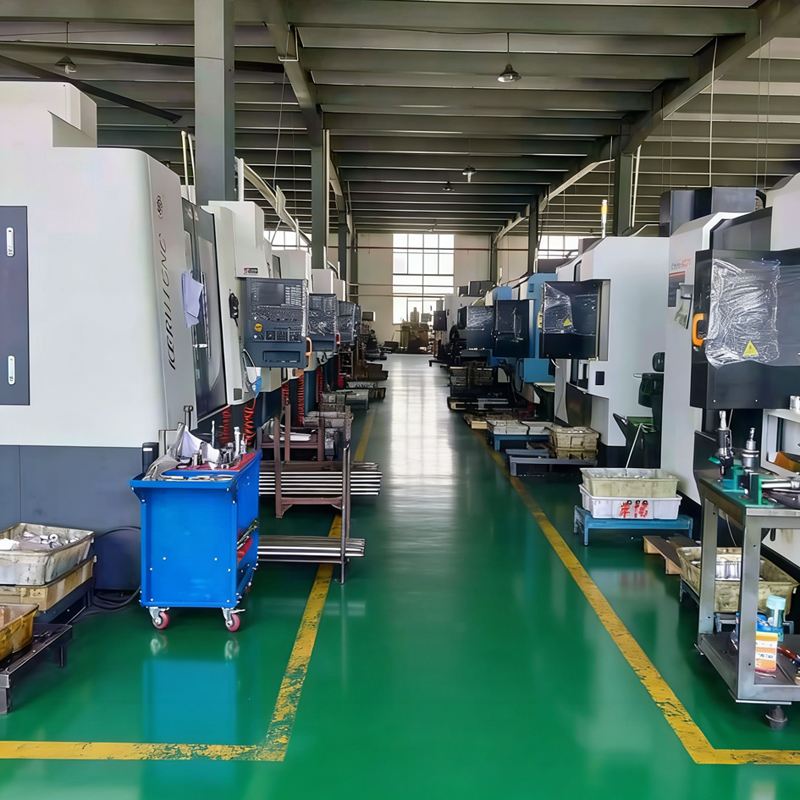
ZheJiang Dream Industry Limited delivers comprehensive precision manufacturing and turnkey custom hardware design, specializing in CNC machined parts and custom assemblies. Established in 2008, the company operates a 2500sqm factory facility and maintains a workforce of 34 employees, supporting annual production capacities exceeding 3 million hardware units. The production facility is ISO 9001 certified (certificate number ZT-Q-24120011S), ensuring high-precision manufacturing with tolerances controlled to ±0.03mm. Through extensive OEM and ODM capabilities, the organization has served global industrial clients across more than 30 countries and regions.
Lastest
-
What key quality control documents should I request when auditing a potential CNC components factory?
2026-07-30 -
How long does it usually take a manufacturer to produce and ship custom CNC component prototypes?
2026-07-30 -
How do I choose between 3-axis and 5-axis CNC components for high-precision aerospace parts?
2026-07-30 -
Are there any emerging materials that could replace traditional steel CNC components to reduce weight?
2026-07-30 -
Can you explain the process of adding a custom logo and specific dimensions to a cast iron handwheel?
2026-07-30
SUBSCRIBE
INQUIRY