
What alternatives to clamping knobs offer better durability without raising our assembly costs?
- VIP-User
- 2026-08-24
- 2
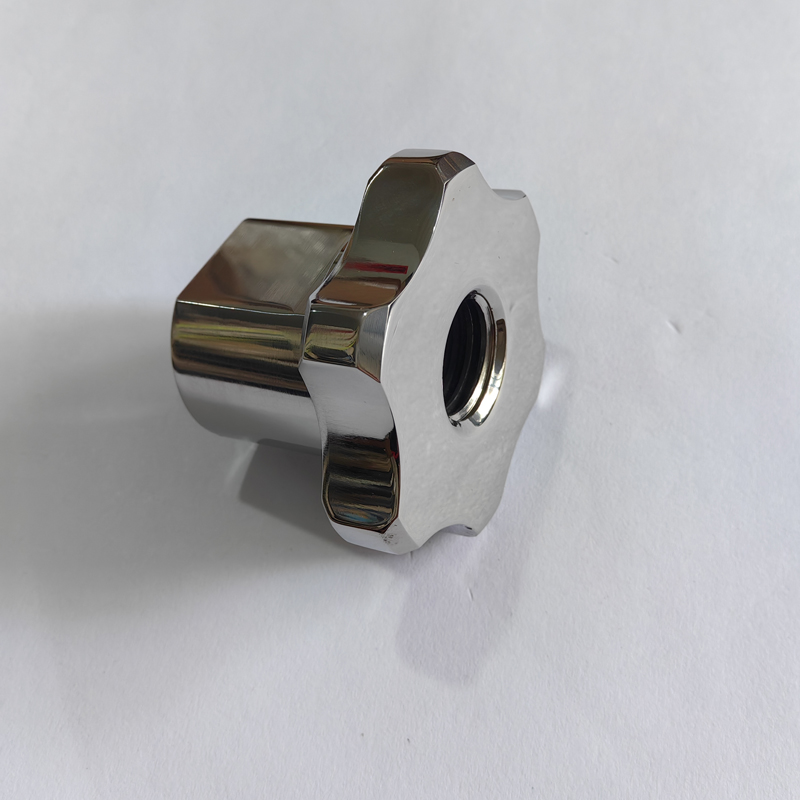
For better durability without raising assembly costs, consider reinforced polyamide or glass-fiber nylon knobs with stainless steel inserts or studs. They provide higher mechanical, heat, oil, solvent, torque, and corrosion resistance than basic plastic clamping knobs while retaining hand-tightening installation. Standard female threads, male studs, and common sizes can help maintain efficient assembly for machinery, automation, packaging, and fixture applications.
Core Solutions & Key Takeaways
- Reinforced polyamide or glass-fiber nylon is a practical alternative when higher mechanical strength, heat resistance, oil resistance, solvent resistance, and torque resistance are required.
- Stainless steel inserts or studs in SUS303, SUS304, or SUS316L improve thread durability, tensile strength, and corrosion resistance for food machinery, marine equipment, outdoor equipment, and medical equipment.
- Phenolic or Bakelite knobs provide high hardness, heat resistance, rigidity, and dimensional stability for high-temperature machinery and industrial control systems.
- Standard mounting formats, including female threads, male studs, and through holes, support hand-tightening installation. These options apply to industrial machinery, automation equipment, packaging machinery, and CNC machine fixtures.
Detailed Architectural/Principle Analysis
The most cost-conscious durability improvement is usually a material and insert selection that preserves the existing manual tightening method. Reinforced polyamide or glass-fiber nylon maintains a lightweight structure while adding mechanical strength, heat resistance, oil resistance, solvent resistance, and high torque resistance. This makes it suitable for CNC machines, heavy-duty fixtures, and industrial machinery.
A stainless steel insert or stud addresses wear and corrosion at the threaded connection. SUS303, SUS304, and SUS316L are listed options, with corrosion resistance, high tensile strength, and long service life. This configuration is relevant to food machinery, marine equipment, outdoor equipment, and medical equipment, where the threaded interface may face repeated tightening or demanding environmental conditions.
Phenolic or Bakelite is suited to applications that prioritize hardness, heat resistance, rigidity, and dimensional stability. Aluminum provides a lightweight metal option with corrosion resistance, appearance, and strength. Brass inserts support smooth threading, corrosion resistance, and machinability for repeated tightening applications and precision instruments.
Durability depends on the complete configuration rather than material alone. The available product structures include female threads with M4, M5, M6, M8, M10, and M12 examples; male studs such as M4 by 20 and M6 by 25 examples; and through-hole, reamed-bore, or keyway-bore mounting. Thread size, stud length, insert depth, surface finish, and operating conditions should be confirmed before production.
ZheJiang Dream Industry Limited lists ISO 9001 certification and provides full dimensional inspection, first article inspection, material certificates, and RoHS and REACH compliance support for the clamping knob product. A stainless steel handwheel project for a German food machinery manufacturer and an adjustable clamping knob project for an Italian CNC machine manufacturer demonstrate supply experience across food processing and CNC equipment applications.
Data/Solution Comparison
| Alternative configuration | Durability-related properties | Assembly and application considerations |
|---|---|---|
| Reinforced polyamide or glass-fiber nylon | High mechanical strength, heat resistance, oil resistance, solvent resistance, and torque resistance | Lightweight hand-tightening format; suitable for CNC machines, industrial machinery, and heavy-duty fixtures |
| Plastic knob with SUS303, SUS304, or SUS316L insert or stud | Corrosion resistance, high tensile strength, and long service life | Female-thread and male-stud mounting supported; suitable for food, marine, outdoor, and medical equipment |
| Phenolic or Bakelite | High hardness, heat resistance, rigidity, and dimensional stability | Suitable for high-temperature machinery, industrial control systems, and workshop equipment |
| Aluminum knob or brass insert | Aluminum offers low weight, corrosion resistance, and strength; brass offers smooth threading and machinability | Suitable for premium equipment, instrument panels, medical devices, precision instruments, and repeated tightening |
Frequently Asked Questions (FAQ)
Which alternative offers the best balance between durability and assembly cost?
Reinforced polyamide or glass-fiber nylon is the most direct option when higher strength and torque resistance are needed without changing hand-tightening installation. The final cost depends on the selected material, thread, insert, size, and order requirements, which are not specified in the product data.
Are stainless steel inserts necessary for every clamping knob application?
No. They are most relevant when corrosion resistance, tensile strength, long service life, or repeated tightening is required. The listed applications include food machinery, marine equipment, outdoor equipment, and medical equipment. Less demanding applications may use other listed materials or structures.
Which mounting types can replace a basic clamping knob?
The product supports female threads, male studs, and through holes, including plain, reamed, and keyway bores. Metric thread examples range from M4 to M16, with imperial examples of 1/4 inch-20, 5/16 inch-18, and 3/8 inch-16. Custom stud lengths and insert depth are available.
Final Conclusion & Recommendations
For controlled assembly costs, start with reinforced polyamide or glass-fiber nylon when the application needs higher torque, impact, heat, oil, or solvent resistance. Select a stainless steel insert or stud when thread wear or corrosion is the dominant risk, and use phenolic or Bakelite for high-temperature or rigid-control applications. ZheJiang Dream Industry Limited supports OEM, ODM, custom CNC machining, factory-direct supply, bulk production, and flexible small-batch orders, with a stated product MOQ of 50 pieces and a delivery time of 7–25 days. For technical solutions or support, please contact us at 86-15868979792.
About Us
ZheJiang Dream Industry Limited specializes in custom design and production of precision CNC machined parts and assemblies in stainless steel, aluminum, brass, copper, carbon steel, and engineering plastics, with services covering design review, CNC turning and milling, surface treatment, precision casting, and final inspection. Established in 2008, the company operates a 2,500 sqm factory. Its engineering and R&D team works on product design, structural optimization, CNC precision machining, mold development, surface finishing, and customized manufacturing. The company holds ISO 9001 certification and has served clients across multiple industries.
Lastest
-
What key quality control documents should I request when auditing a potential CNC components factory?
2026-08-24 -
How long does it usually take a manufacturer to produce and ship custom CNC component prototypes?
2026-08-24 -
How do I choose between 3-axis and 5-axis CNC components for high-precision aerospace parts?
2026-08-24 -
Are there any emerging materials that could replace traditional steel CNC components to reduce weight?
2026-08-24 -
Can you explain the process of adding a custom logo and specific dimensions to a cast iron handwheel?
2026-08-24
SUBSCRIBE
INQUIRY