
How much does a custom clamping knob prototype mold cost usually?
- VIP-User
- 2026-07-24
- 16
A custom clamping knob prototype mold usually costs between $500 and $2,500, depending on manufacturing complexity, knob size, and mold material. Simple single-cavity aluminum molds for basic star shapes sit at the lower end, while complex multi-cavity steel tools with integrated brass or stainless steel threaded inserts reach higher price ranges.
Core Solutions & Key Takeaways
- Material Selection Impacts Cost: Aluminum tooling offers a budget-friendly path for prototyping thermoplastic materials like ABS or PP, whereas glass fiber reinforced polyamide nylon requires pre-hardened steel to withstand processing wear.
- Insert Integration Controls Performance: Incorporating female threads or male studs (M4 to M12) directly during the molding process increases tooling complexity but ensures high pull-out resistance.
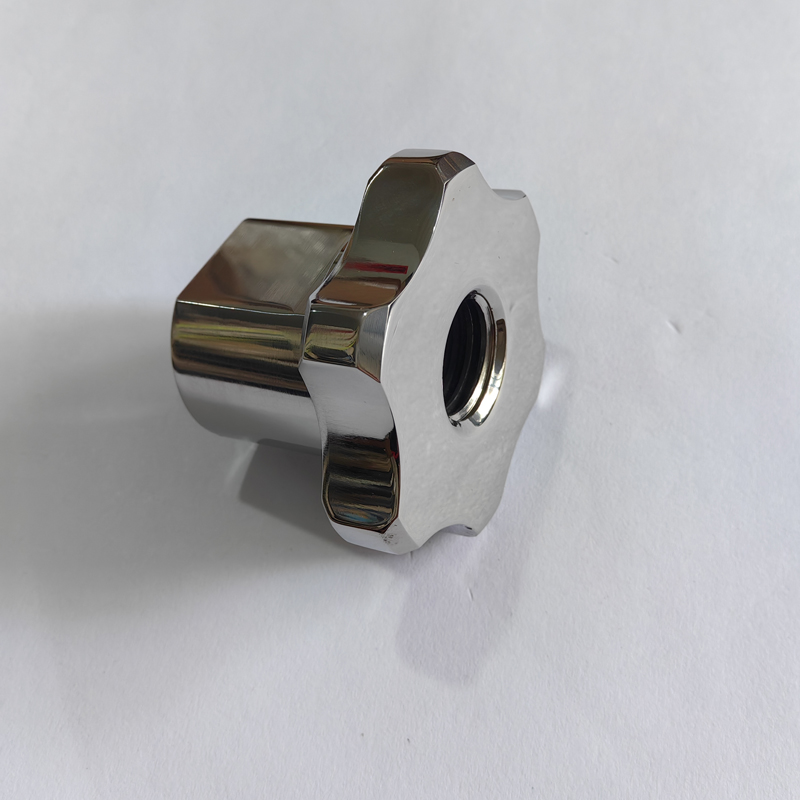
- Design Variations Influence Setup: Specific shapes—such as five-lobe, wing, knurled, or spoked knobs—require custom CNC-machined cavities to verify ergonomics and torque transmission.
- Target Applications Define Requirements: Prototypes verify part durability and operational grip in industrial machinery, automation equipment, and chemical control systems before committing to high-volume manufacturing.
Detailed Architectural/Principle Analysis
Developing a custom clamping star knob prototype involves balancing initial tooling expenses against functional validation needs. Prototype molds, often referred to as rapid tooling, are typically constructed from aluminum or soft steel. These materials are easier to machine via CNC milling, which reduces initial lead times to 7–15 days and keeps upfront costs low compared to permanent, multi-cavity production molds.
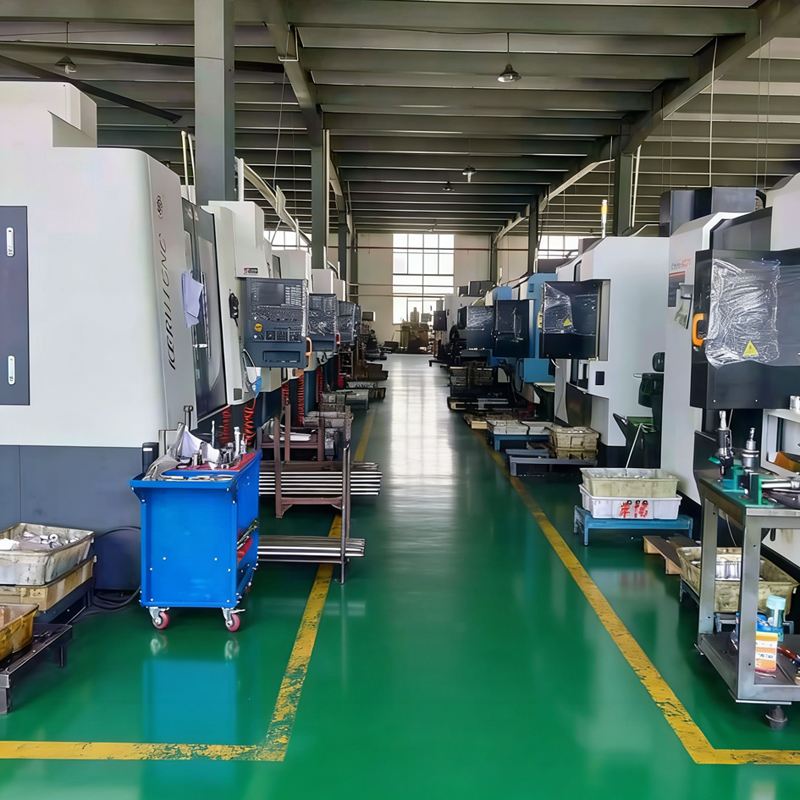
During the design phase, manufacturers evaluate the mechanical demands placed on the knob. For instance, heavy-duty fixtures require high torque resistance. This is achieved by combining reinforced polyamide nylon with a robust metal insert, such as a SUS304 stainless steel or brass stud. Managing the interface between the plastic body and the metal insert during molding is critical to prevent separation. Our ISO 9001 certified manufacturing system (certificate ZT-Q-24120011S) ensures that mold tolerances are tightly controlled up to ±0.03mm, securing thread alignment and outer dimensions.
Real-world projects highlight the transition from prototype to bulk production. For a CNC machine manufacturer in Italy, a prototype tooling phase paved the way for an OEM run of 65,000 pieces of adjustable clamping knobs, verifying wear resistance and a secure locking grip. Similarly, in hygienic sectors like German food processing machinery, prototypes verified the corrosion resistance of custom handwheels before completing a 450-piece delivery. These cases demonstrate that prototype molds are a reliable intermediate step to finalize physical characteristics before launching mass manufacturing.
Data/Solution Comparison
| Tooling Type | Average Cost (USD) | Material Compatibility | Tooling Life (Cycles) | Optimal Application |
|---|---|---|---|---|
| Aluminum Prototype Mold | $500 – $1,500 | PP, ABS, Nylon (Unfilled) | Up to 3,000 | Ergonomic testing and low-volume trials |
| Pre-hardened Steel Mold (P20) | $1,200 – $2,500 | Reinforced Polyamide, Bakelite | Up to 20,000 | Functional torque testing and medium batches |
| 3D Printed Insert Tooling | $300 – $800 | Low-temperature thermoplastics | Under 100 | Rapid visual validation |
Frequently Asked Questions (FAQ)
What factors influence the cost of a clamping knob prototype mold?
Tooling cost is primarily driven by the complexity of the knob shape (such as multi-lobe or scalloped designs), insert requirements (integrating brass or stainless steel male/female threads), and the selected tooling material (aluminum vs. steel).
Can I reuse a prototype mold for mass production?
Prototype molds made from aluminum or pre-hardened steel are designed for limited cycles, typically 1,000 to 20,000 shots. For continuous high-volume OEM runs exceeding 50,000 units, a hardened steel production mold is required to handle the abrasive nature of glass-fiber nylon.
What is the typical lead time for a custom star knob prototype mold?
Mold design and fabrication generally take 7 to 15 days. Once the mold is ready, initial samples are injected and dispatched within 3 to 7 days for customer evaluation and mechanical testing.
Final Conclusion & Recommendations
Selecting the appropriate tooling option ensures a balance between initial prototype expenses and mechanical accuracy. For standard validation, low-volume production runs starting with a flexible MOQ of 50 pieces help mitigate upfront capital risks. When transitioning from prototype verification to mass production, utilizing secure procurement methods like T/T payment terms (30% deposit, 70% balance before shipment) or Alibaba Trade Assurance protects your investment. Global delivery is fully supported through multiple international options, including DHL, UPS, and FedEx express for fast sample shipments, as well as sea freight for large-scale industrial hardware orders. For detailed technical solutions or support, please reach out to us via 86-15868979792.
About Us
ZheJiang Dream Industry Limited has over 20 years of experience in precision manufacturing, specializing in custom design and production of precision CNC machined parts and assemblies. Established in 2008, the company operates a modern 2500sqm factory facility and maintains a dedicated team of 34 employees, supporting both high-volume OEM production and flexible custom orders. Our manufacturing processes are ISO 9001 certified (certificate ZT-Q-24120011S), ensuring quality management across our entire hardware catalog. We have served global industrial clients across various sectors, including food machinery manufacturers in Germany and marine equipment suppliers in Norway.
Lastest
-
What key quality control documents should I request when auditing a potential CNC components factory?
2026-07-24 -
How long does it usually take a manufacturer to produce and ship custom CNC component prototypes?
2026-07-24 -
How do I choose between 3-axis and 5-axis CNC components for high-precision aerospace parts?
2026-07-24 -
Are there any emerging materials that could replace traditional steel CNC components to reduce weight?
2026-07-24 -
Can you explain the process of adding a custom logo and specific dimensions to a cast iron handwheel?
2026-07-24
SUBSCRIBE
INQUIRY