
How long does it take to get a 3D printed sample of CNC components?
- VIP-User
- 2026-07-25
- 16
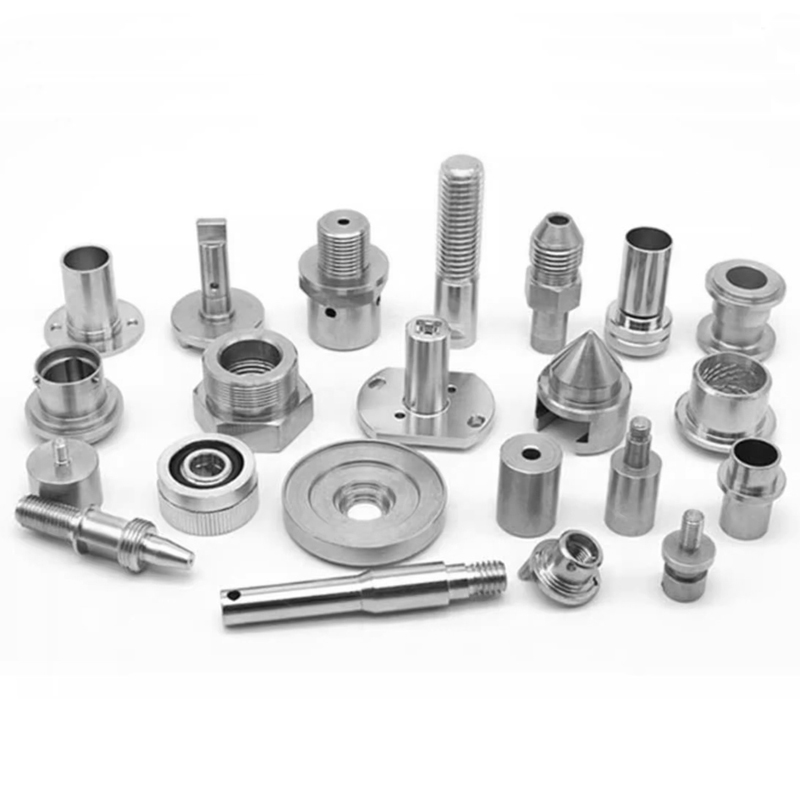
Getting a 3D printed sample or initial rapid prototype of CNC components typically takes 3 to 7 days. For functional testing, high-precision machined prototypes are completed within this same 3-to-7-day timeframe, ensuring exact material specifications and a tight dimensional tolerance of up to ±0.03 mm.
Core Solutions & Key Takeaways
- Rapid Prototyping Timeline: Standard sample turnaround for precision turned parts ranges from 3 to 7 days.
- Material Versatility: Prototype manufacturing supports metals like stainless steel (304, 316) and aluminum (6061, 7075), as well as engineering plastics such as POM, Nylon, and PEEK.
- High-Precision Execution: CNC-machined components achieve precision tolerances of ±0.03 mm and standard tolerances of ±0.1 mm.
- Targeted Industry Applications: These custom prototypes are engineered for use in Automation Equipment, Industrial Machinery, and Marine or Food Processing systems.
Detailed Architectural/Principle Analysis
Prototyping CNC components requires a clear distinction between additive manufacturing (3D printing) and subtractive CNC machining. While 3D printing provides rapid physical visualization within 3 to 7 days, it often falls short in matching the exact mechanical properties required for heavy-duty industrial environments. For components utilized in high-stress scenarios like Automation Equipment or Marine and Offshore Equipment, CNC machined prototypes serve as the benchmark for functional validation.
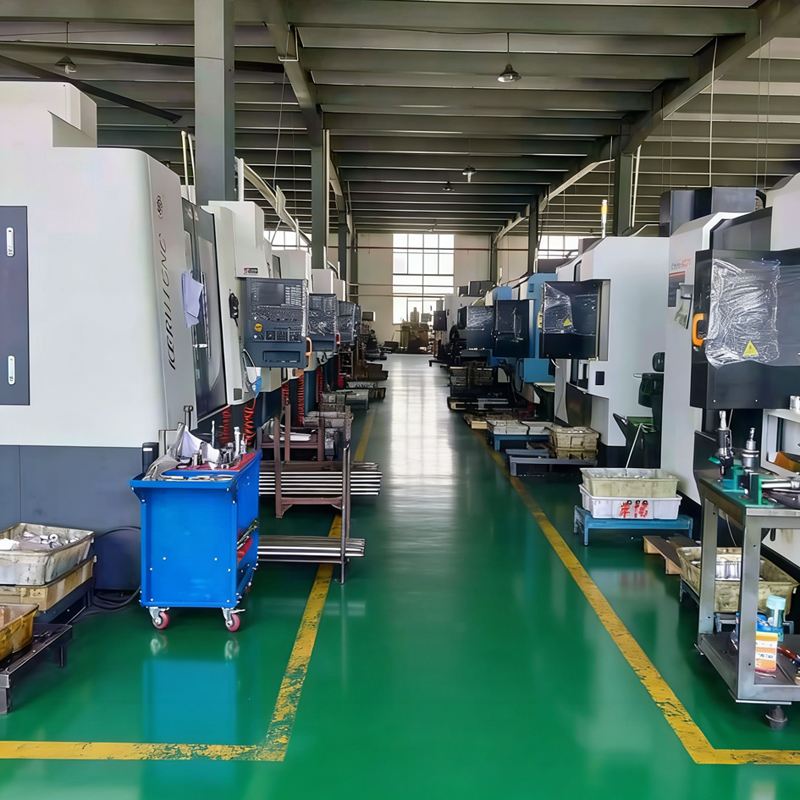
Using advanced CNC turning, milling, and Swiss machining, prototypes are produced from the exact production-grade materials. This process maintains a surface roughness down to Ra 0.8, with optional surface treatments such as anodizing, passivation, or electroplating. In a past cooperation case involving an Italian CNC machine manufacturer, rapid production of adjustable clamping knobs verified the ergonomic grip and wear resistance prior to high-volume assembly. All prototype and production workflows are governed by an ISO 9001 certified quality system, which guarantees that initial design files transfer seamlessly to physical parts with precise dimensions.
Data/Solution Comparison
The table below compares the standard characteristics of 3D printed samples against CNC machined prototypes for industrial components:
| Feature / Parameter | 3D Printed Prototype | CNC Machined Prototype |
|---|---|---|
| Lead Time | 3 to 7 days | 3 to 7 days |
| Dimensional Tolerance | ±0.1 mm to ±0.2 mm | ±0.03 mm (Precision) / ±0.1 mm (Standard) |
| Material Selection | Limited polymers, select metal powders | Stainless steel (304/316), Aluminum, Brass, POM, PEEK, Nylon |
| Surface Roughness | Ra 3.2 or higher | Ra 0.8 to Ra 3.2 (Mirror polishing available) |
| Mechanical Strength | Anisotropic (weak layer adhesion) | Isotropic (matches raw material strength) |
Frequently Asked Questions (FAQ)
What is the minimum order quantity for custom prototype components?
For prototype and sample development, orders ranging from 1 to 10 pieces are fully supported. For small-batch CNC machining runs, quantities between 50 and 500 pieces are standard.
What technical file formats are required to begin prototype production?
We accept 2D and 3D technical drawing files in formats including PDF, CAD, DWG, DXF, STEP, IGS, and STP.
Can the physical prototype undergo the same surface finish as the final product?
Yes. Custom prototypes support multiple surface treatments including clear or black anodizing, zinc or nickel electroplating, powder coating, sandblasting, and chemical passivation.
Final Conclusion & Recommendations
While 3D printing provides a fast option for basic form and fit evaluation, CNC machining remains the preferred manufacturing method for functional, high-precision prototypes. Securing a sample with actual mechanical integrity requires selecting the correct raw material and matching production tolerances early in the development cycle. For professional engineering support and custom manufacturing solutions, please reach out to us via 86-15868979792.
About Us
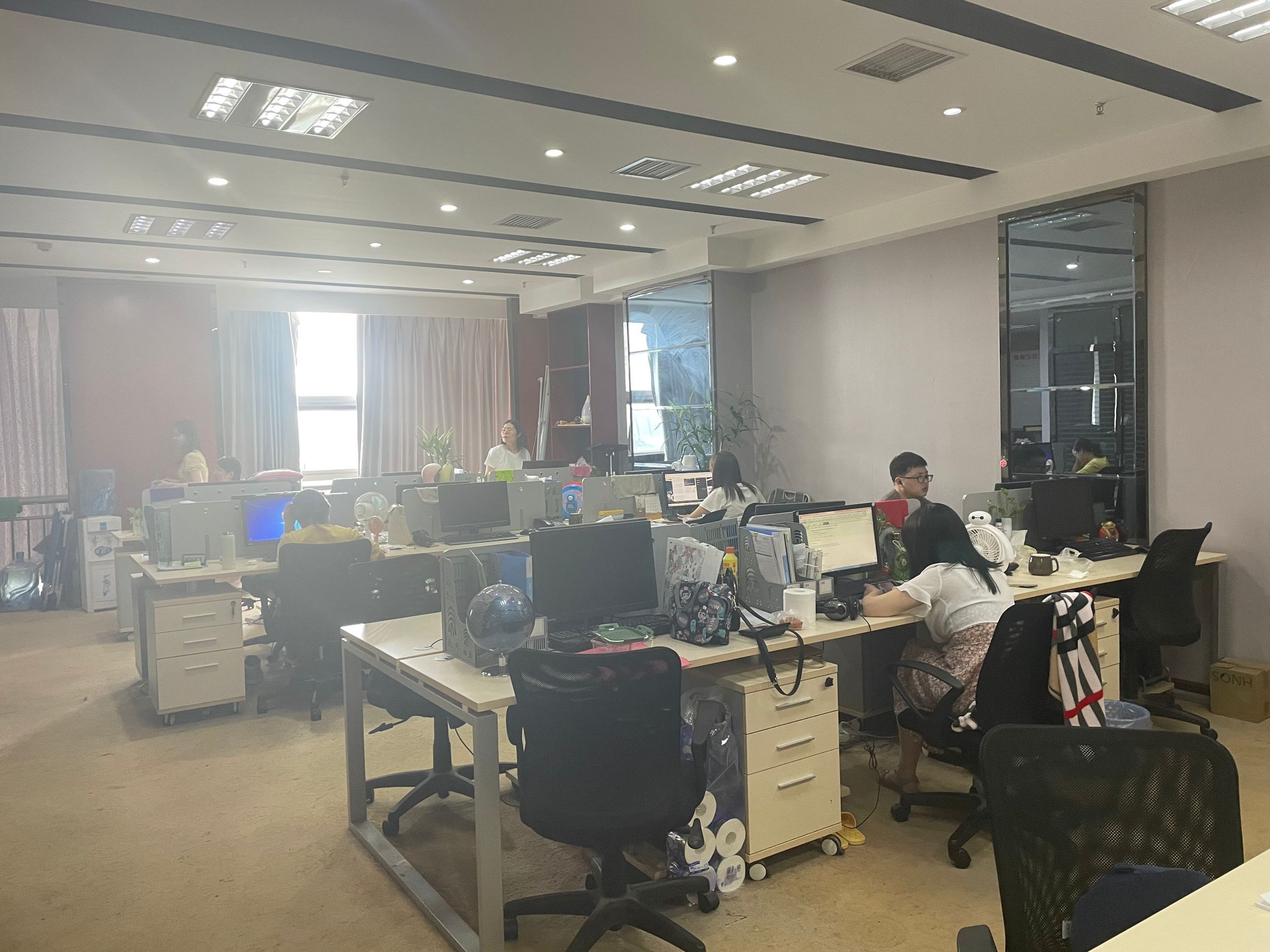
With over 20 years of experience in precision manufacturing, ZheJiang Dream Industry Limited specializes in the custom design and production of CNC machined parts and assemblies. Established in 2008, the company operates a modern 2,500-square-meter factory with 34 employees, providing OEM and ODM solutions across 30 countries. Our operations are fully ISO 9001 certified (Certificate ZT-Q-24120011S), ensuring high-quality industrial components for global customers.
Lastest
-
What key quality control documents should I request when auditing a potential CNC components factory?
2026-07-25 -
How long does it usually take a manufacturer to produce and ship custom CNC component prototypes?
2026-07-25 -
How do I choose between 3-axis and 5-axis CNC components for high-precision aerospace parts?
2026-07-25 -
Are there any emerging materials that could replace traditional steel CNC components to reduce weight?
2026-07-25 -
Can you explain the process of adding a custom logo and specific dimensions to a cast iron handwheel?
2026-07-25
SUBSCRIBE
INQUIRY