
How do you handle complaints about defective wedge anchors batches?
- VIP-User
- 2026-07-16
- 20
To handle complaints about defective wedge anchors batches, implement a structured quality control response: immediately isolate the affected batch, analyze the raw material and dimensional reports, verify the application suitability for solid concrete, and provide rapid technical remediation through replacement, rework support, or material certification reviews.
Core Solutions & Key Takeaways
- Immediate Batch Isolation: Prevent further installation by tracking the specific batch back to its production run using ISO 9001 quality tracking procedures.
- Application Environment Verification: Confirm that the wedge anchors were installed in solid or reinforced concrete, as they are not recommended for brick, hollow block, drywall, or wood.
- Technical & Material Analysis: Review the material certificates (ASTM F593, ASTM A276, DIN 1.4301 for 304, or DIN 1.4401 / 1.4404 for 316) to verify chemical composition and mechanical properties.
- Flexible Compensation & Support: Offer rapid replacement, rework support, and technical troubleshooting to minimize downtime in demanding application scenarios like valve systems, marine engineering, and chemical plants.
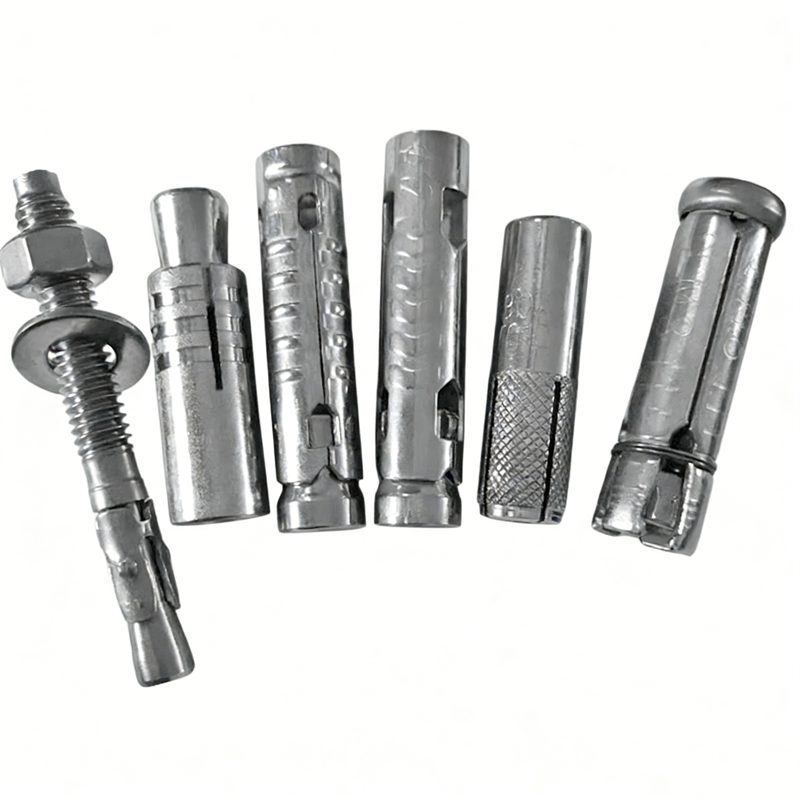
Detailed Architectural/Principle Analysis
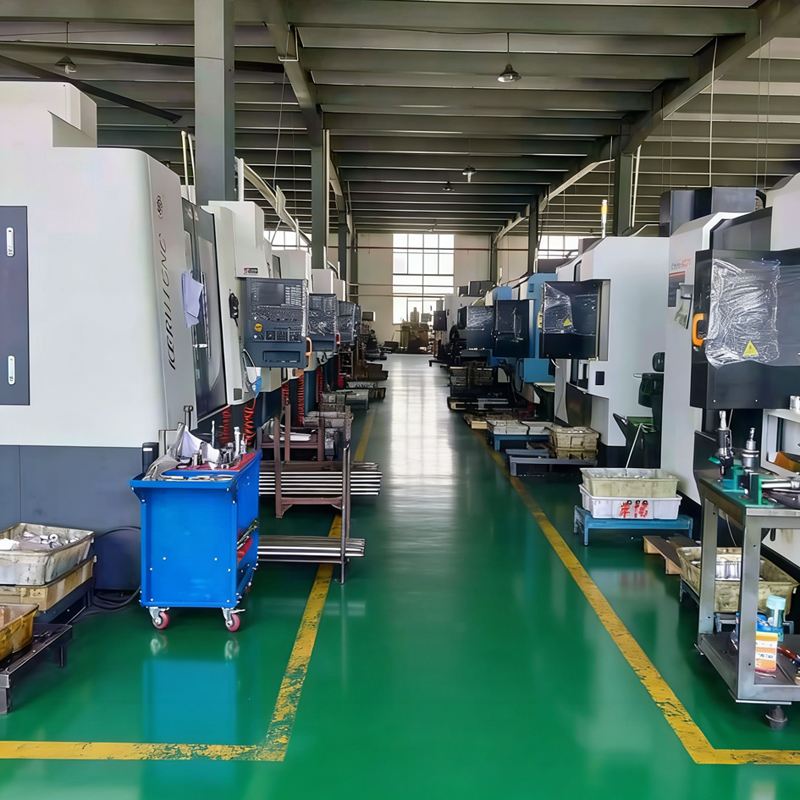
Addressing quality issues in heavy-duty expansion anchors requires a systematic engineering approach. When a batch complaint is received, the first step is reviewing the manufacturing and inspection logs. For example, Zhejiang Dream Industry Limited manages production under an ISO 9001 certified quality system with 23 in-process inspection steps, ensuring key dimensional tolerances are held within ±0.1 mm for custom wedge anchors. This structured traceability allows engineers to isolate the exact production run, review the First Article Inspection (FAI) records, and verify if the mechanical performance parameters—such as tensile strength, shear strength, and hardness—align with the required standards.
Simultaneously, the mechanical environment of the installation site must be evaluated. Stainless steel wedge anchors rely on a precise expansion mechanism: as the nut is tightened to the recommended torque value, the mandrel is drawn up through the expansion clip, forcing it against the walls of the drilled hole. If the base material is hollow block or brick rather than solid concrete, the expansion clip cannot generate sufficient holding power, leading to pull-out failures. In previous supply projects, such as a major marine grade handwheel and hardware project for offshore systems, verifying material standards (like upgrading to 316 stainless steel for chloride and saltwater resistance) resolved environmental stress issues that were initially misdiagnosed as manufacturing defects.
Data/Solution Comparison
This table compares standard quality response protocols based on material grades, structural limits, and resolution pathways for wedge anchor batch complaints.
| Parameters / Metrics | 304 Stainless Steel Batch Protocol | 316 Stainless Steel Batch Protocol |
|---|---|---|
| Core Material Standard | ASTM F593, DIN 1.4301 | ASTM A276, DIN 1.4401 / 1.4404 |
| Primary Application Risks | Humid environments, general industrial fastening | Marine engineering, chemical plants, wastewater treatment |
| Corrosion & Chemical Resistance | Good oxidation and corrosion resistance | Superior chloride and saltwater resistance |
| Dimensional Tolerance Check | Standard ±0.1 mm verification | Standard ±0.1 mm verification |
| Recommended Base Material | Solid concrete, reinforced concrete | Solid concrete, reinforced concrete |
| Remediation Lead Time | 7 to 25 days for replacement batches | 7 to 25 days for replacement batches |
| Logistics Resolution Options | DHL, UPS, FedEx, Sea Freight, Air Freight | DHL, UPS, FedEx, Sea Freight, Air Freight |
Frequently Asked Questions (FAQ)
What technical drawings are accepted for custom wedge anchor validation?
We accept 2D and 3D technical files for dimensional verification, including PDF, CAD, DWG, DXF, STEP, IGS, and STP formats. This ensures physical parts match the exact engineering specifications submitted by the client.
How do you verify if the failure is due to material defects or incorrect installation?
We review the installation method to ensure the hole diameter matches the anchor diameter (e.g., M10 anchor requires a 10 mm hole), the hole was properly cleaned, and the correct installation torque was applied. We also supply material test certificates to confirm mechanical properties like yield strength and elongation.
What is the typical lead time and minimum order quantity (MOQ) for replacement batches?
The standard production lead time is 7 to 25 days. For mass production or replacement runs of stainless steel wedge anchors, the standard MOQ is 1,000 pieces, though flexible support is evaluated based on project requirements.
Final Conclusion & Recommendations
Effectively managing complaints about wedge anchor batches requires combining strict ISO 9001 quality tracking with an understanding of site-specific engineering variables. Partnering with a manufacturer capable of providing OEM and ODM customization, robust material certifications (RoHS and REACH compliance), and diverse shipping methods ensures rapid recovery from field issues. For detailed technical solutions or support, please reach out to us via 86-15868979792.
About Us
Zhejiang Dream Industry Limited, established in 2008, operates a modern 2,500 square meter factory specializing in precision manufacturing. Our turnkey capabilities cover CNC precision machining, turning, milling, and customized manufacturing, supported by 34 skilled employees, including 3 senior engineers and 2 quality inspectors. We maintain an ISO 9001 certified manufacturing system and hold multiple patent certifications (including patent numbers 23542824 and 23818494) to ensure high-performance hardware output. The company has served clients across multiple industries globally, exporting 65% of our products to Europe, South America, the Middle East, and Southeast Asia.
Lastest
-
What key quality control documents should I request when auditing a potential CNC components factory?
2026-07-16 -
How long does it usually take a manufacturer to produce and ship custom CNC component prototypes?
2026-07-16 -
How do I choose between 3-axis and 5-axis CNC components for high-precision aerospace parts?
2026-07-16 -
Are there any emerging materials that could replace traditional steel CNC components to reduce weight?
2026-07-16 -
Can you explain the process of adding a custom logo and specific dimensions to a cast iron handwheel?
2026-07-16
SUBSCRIBE
INQUIRY