
How do you control the dimensional accuracy of CNC components?
- VIP-User
- 2026-07-28
- 1
Controlling the dimensional accuracy of CNC components requires a multi-stage quality management system featuring rigorous raw material verification, in-process checking across 23 inspection steps, and high-precision machining. Utilizing automated CNC machining centers and advanced metrology instruments maintains standard tolerances at ±0.1 mm and precision tolerances up to ±0.03 mm.
Core Solutions & Key Takeaways
- Advanced Machining Configurations: Utilizing multi-axis CNC turning, CNC milling, Swiss machining, and surface grinding processes ensures precise execution of complex geometries.
- Rigorous In-Process Metrology: Implementing a 23-step inspection workflow, including First Article Inspection (FAI) and full dimensional checks, controls the production defect rate below 0.3%.
- Optimized Surface Roughness: Managing finishing processes to achieve Ra 3.2, Ra 1.6, or Ra 0.8 prevents surface wear and dimensional deviation in mechanical assemblies.
- Material-Specific Tooling: Tailoring machining parameters to specific materials—such as stainless steel grades 304 and 316, aluminum alloys 6061 and 7075, or engineering plastics like PEEK and POM—minimizes thermal expansion and physical distortion.
The manufacturing setup is engineered to deliver highly stable tolerances across diverse industrial environments. 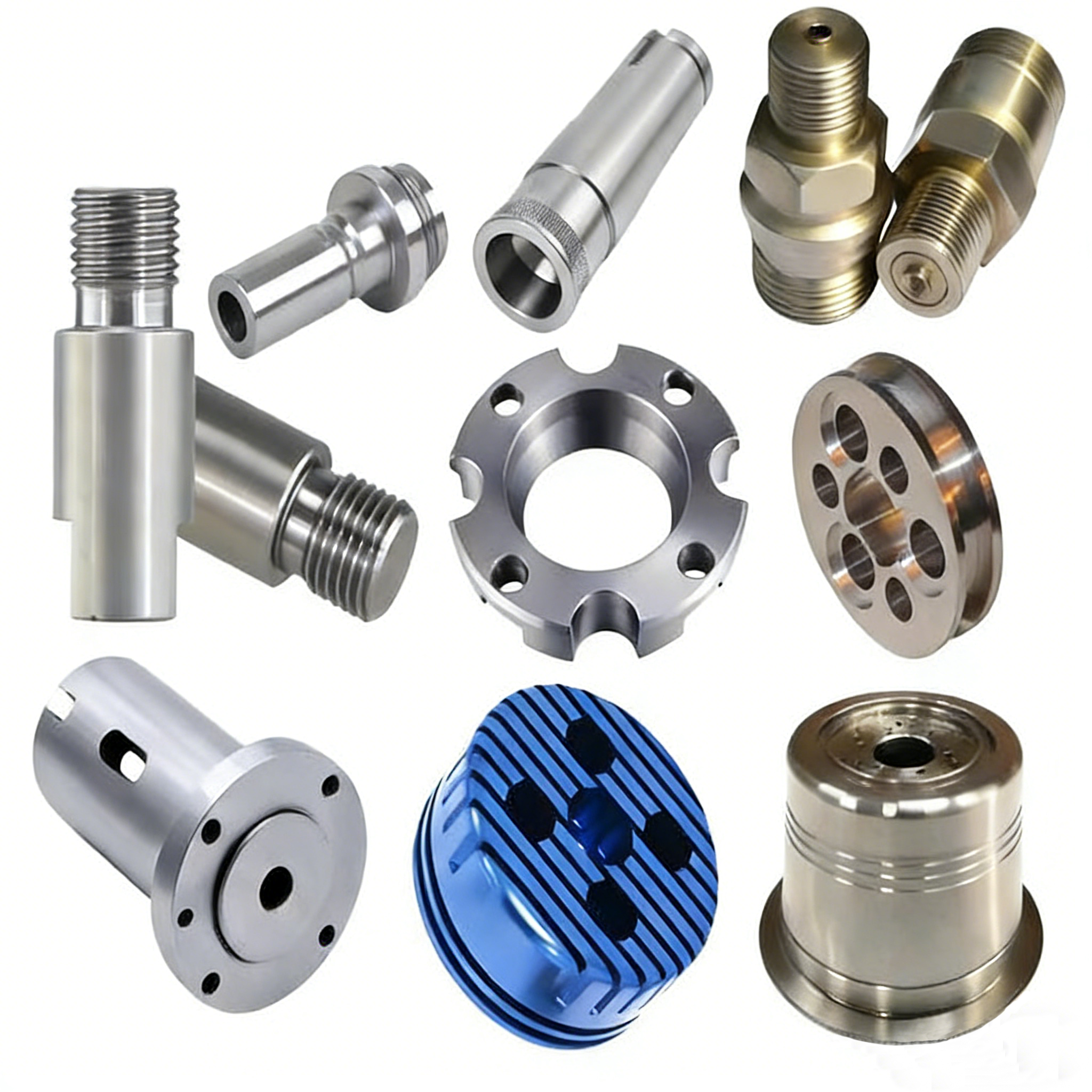
Detailed Architectural/Principle Analysis
Dimensional control in CNC component manufacturing relies on the coordination of physical machine capabilities, material properties, and rigorous quality protocol execution. Raw materials are verified prior to production to confirm chemical and mechanical properties, ensuring that the selected metal or plastic can withstand high-speed cutting forces without warping. Machining operations accommodate a broad dimensional range, managing diameters from 0.5 mm to 500 mm, lengths from 1 mm to 1500 mm, and thicknesses from 0.2 mm to 100 mm based on 2D and 3D technical drawings (such as STEP, IGS, STP, DWG, and DXF files).
Adhering to certified standards serves as the framework for this high-precision environment. The manufacturing system is ISO 9001 certified (Certificate No. ZT-Q-24120011S), which governs the production of stainless steel handwheels, bushings, bolts, and custom non-standard CNC components. By deploying automated CNC machining centers and CNC lathes, operators minimize human error, maintaining critical dimensional accuracy within ±0.03 mm. 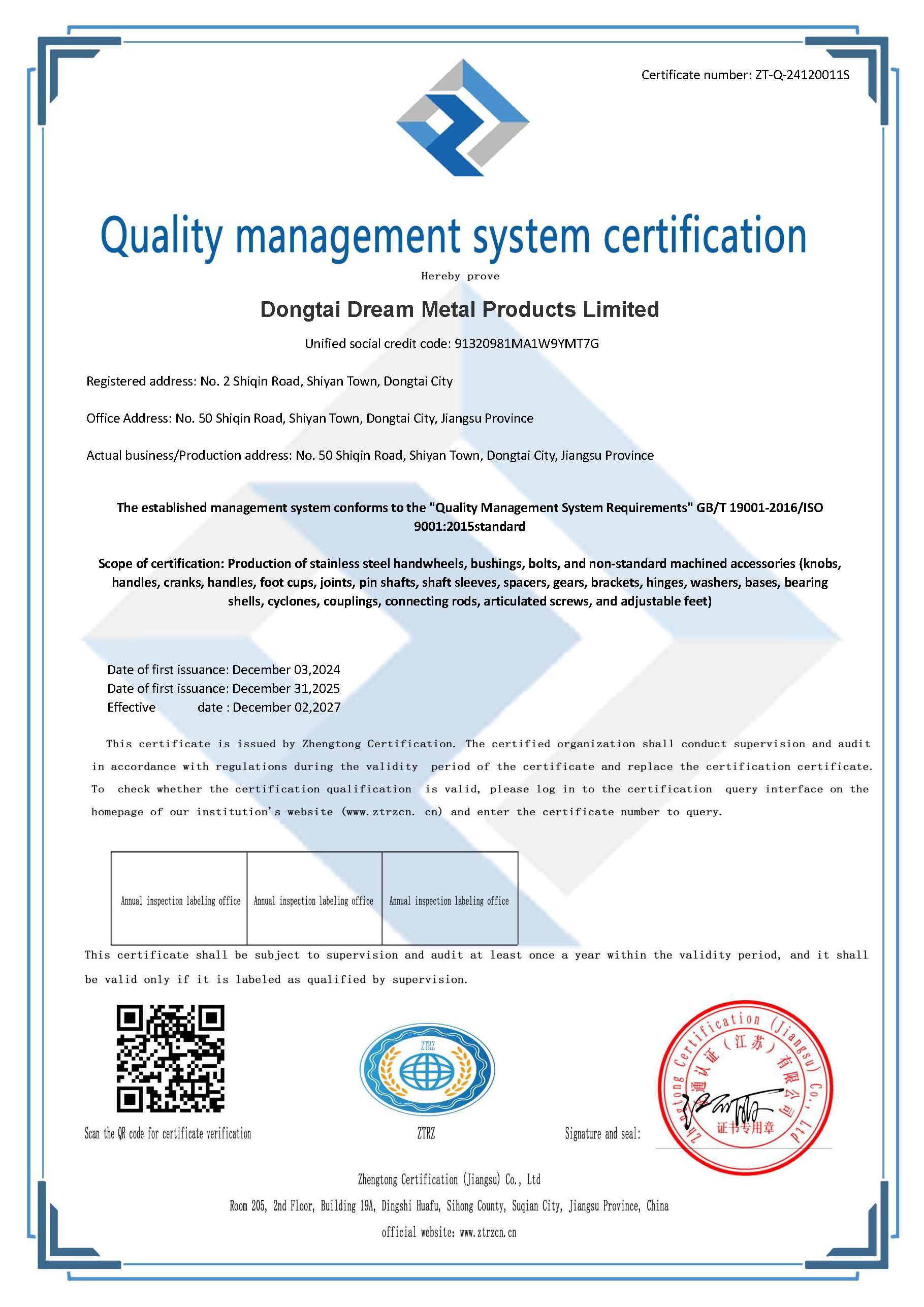
Industrial applications benefit directly from these structured quality controls. For example, in an Adjustable Clamping Knob Project for CNC Machines, 65,000 pieces were manufactured to tight specifications, demonstrating wear resistance and reliable clamping performance under active industrial conditions. In another application, a German food machinery manufacturer integrated 450 pieces of custom stainless steel handwheels into hygienic conveyor systems, which required a completely uniform surface finish and consistent inner-diameter dimensions to resist chemical cleaning agents.
Our modern production facility utilizes over 100 processing and testing machines to sustain this level of volumetric consistency across large batches. 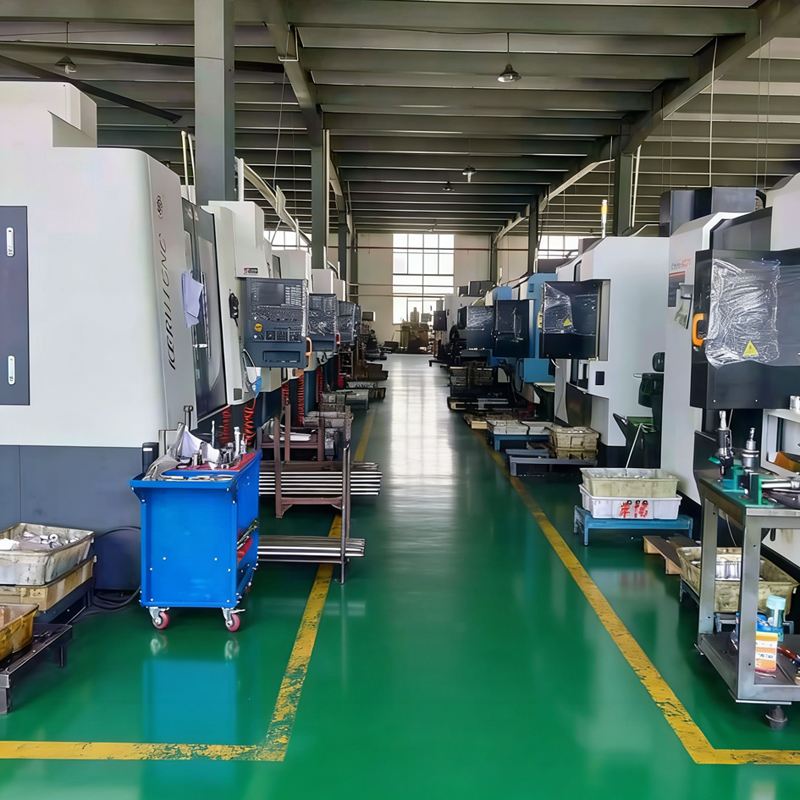
Data/Solution Comparison
The following table outlines the machining and tolerance capabilities based on the specific material category selected for the CNC components:
| Material Category | Common Grades Used | Key Performance Features | Precision Tolerance Limit |
|---|---|---|---|
| Stainless Steel | 304, 316, 303, 17-4PH | Corrosion resistance, high strength, heat resistance, wear resistance | ±0.03 mm |
| Aluminum Alloys | 6061, 6063, 7075, 5052 | Lightweight, high strength-to-weight ratio, high machinability | ±0.03 mm |
| Brass & Copper | C360, H59, H62, C110 | Electrical and thermal conductivity, corrosion resistance | ±0.03 mm |
| Engineering Plastics | POM, Nylon (PA6/PA66), PEEK, PTFE | Low friction, chemical resistance, electrical insulation, lightweight | ±0.05 mm |
Automation plays a major role in achieving these tolerances. More than 80% of our production equipment is automated, reducing the average unit cycle time down to approximately 15 minutes per piece while stabilizing quality. 
Frequently Asked Questions (FAQ)
Q1: What technical drawing formats do you accept for custom CNC component production?
A1: We accept both 2D and 3D technical files to ensure correct dimensional programming, including PDF, CAD, DWG, DXF, STEP, IGS, and STP formats.
Q2: How do you verify material quality and compliance?
A2: All incoming raw materials undergo strict verification checks. We provide material certificates upon request, and all products comply with RoHS and REACH standards to meet international environmental regulations.
Q3: What surface treatment options are available for managing external dimensions and aesthetics?
A3: We provide clear, black, and hard anodizing, electroplating (zinc, nickel, and chrome), powder coating, sandblasting, polishing, brushing, passivation, black oxide, and heat treatment to enhance wear resistance and finalize product dimensions.
Final Conclusion & Recommendations
Controlling dimensional variations in CNC components requires a unified manufacturing approach combining automated machinery, material expertise, and rigorous inspection protocols. Engaging with an experienced manufacturing partner that provides comprehensive OEM and ODM support, flexible order volumes (with minimum order quantities starting at 50 pieces for custom CNC components), and robust quality controls is highly recommended. Utilizing a partner with certified workflows ensures that complex components operate reliably in demanding environments such as automation, medical equipment, and marine systems.
Our dedicated engineering and technical teams provide close drawing confirmation, material selection support, and surface finishing guidance to secure the exact tolerances your application demands. 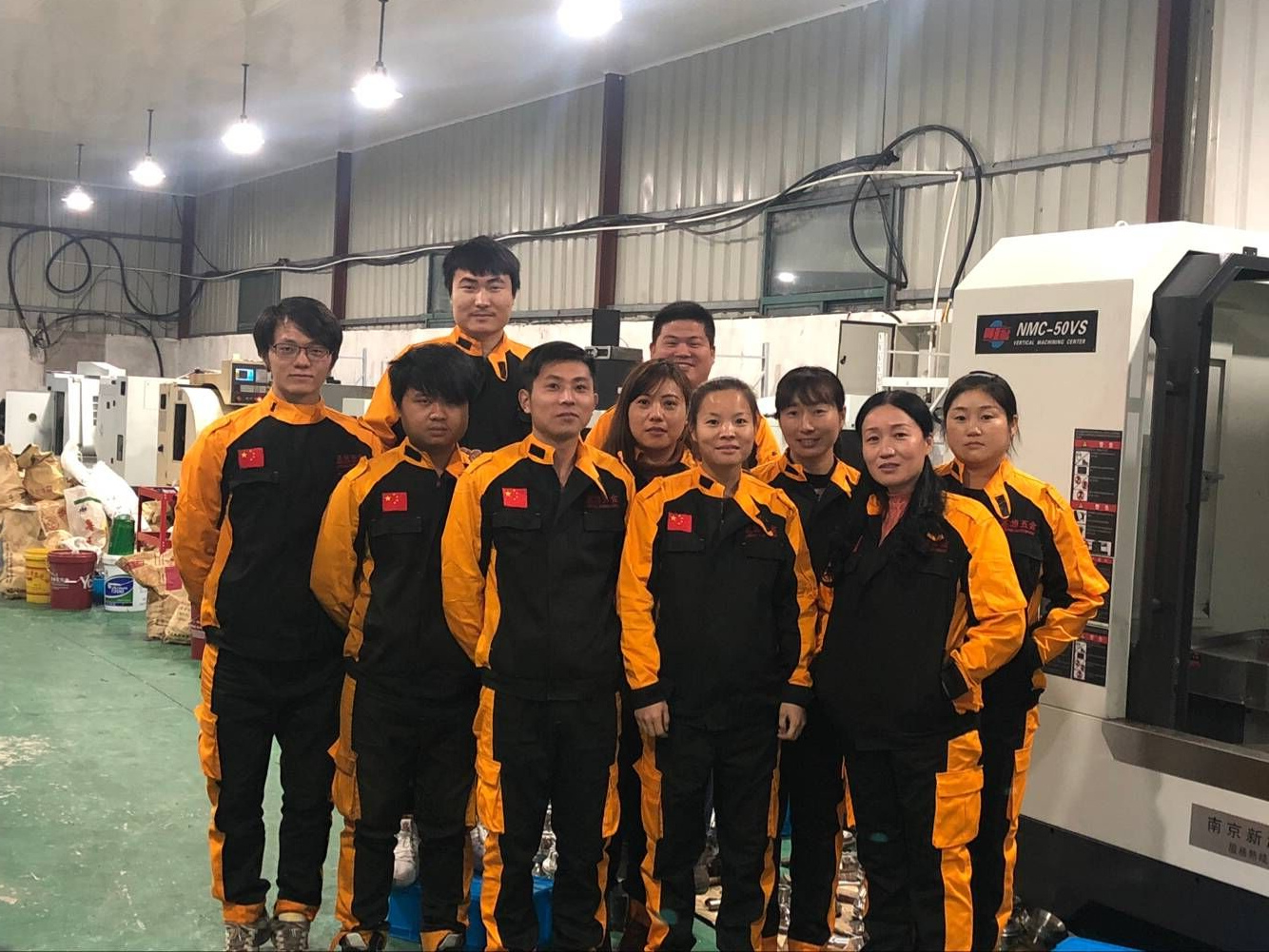
For detailed technical solutions or support, please reach out to us via 86-15868979792.
About Us
Zhejiang Dream Industry Limited, established in 2008, has over 20 years of experience in precision manufacturing. Operating from a 2500sqm factory facility, the company currently houses 34 employees in total, including 3 senior engineers and 18 skilled machine operators. We specialize in the custom design and production of precision CNC machined parts and assemblies in stainless steel, aluminum, brass, copper, carbon steel, and engineering plastics. The facility operates under an ISO 9001 certified manufacturing system and holds multiple intellectual property credentials, including patent certification第 23542824 号, serving industrial clients globally across sectors such as food machinery, marine systems, and automation equipment.
Lastest
-
What key quality control documents should I request when auditing a potential CNC components factory?
2026-07-28 -
How long does it usually take a manufacturer to produce and ship custom CNC component prototypes?
2026-07-28 -
How do I choose between 3-axis and 5-axis CNC components for high-precision aerospace parts?
2026-07-28 -
Are there any emerging materials that could replace traditional steel CNC components to reduce weight?
2026-07-28 -
Can you explain the process of adding a custom logo and specific dimensions to a cast iron handwheel?
2026-07-28
SUBSCRIBE
INQUIRY