
How do I select heavy-duty door handles that won't rust in high humidity?
- VIP-User
- 2026-08-09
- 2
Selecting heavy-duty door handles that resist rust in high-humidity environments requires prioritizing corrosion-resistant materials such as 304 or 316-grade stainless steel, anodized aluminum alloys, or specialized engineering plastics. Complement material choice with passivated or mirror-polished surface finishes, sealed thread designs (like blind holes), and high tensile load capacities to prevent structural degradation and moisture ingress.
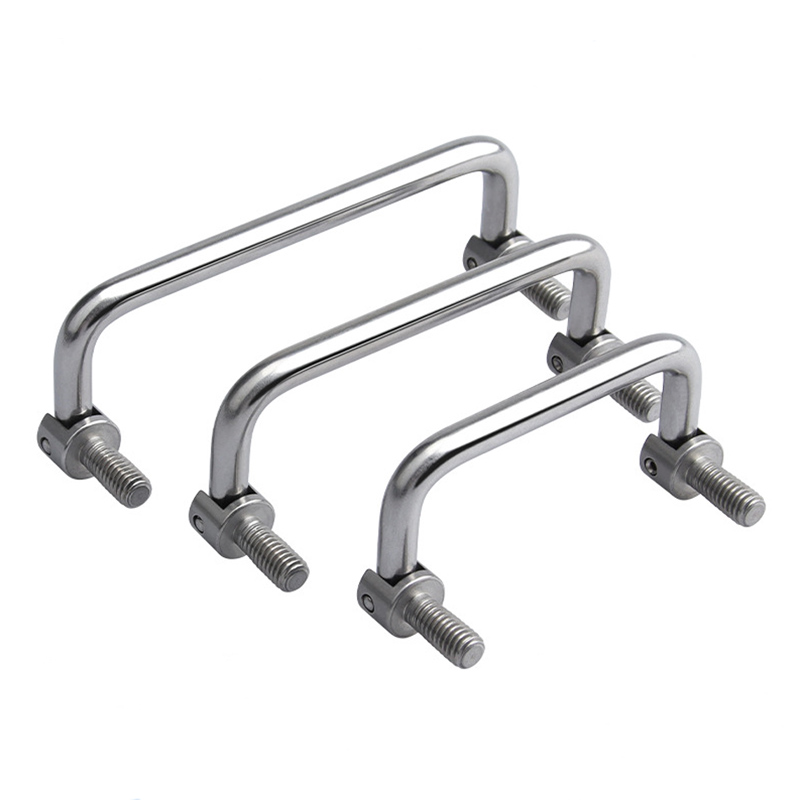
Core Solutions & Key Takeaways
- Material Grade Selection: Specify 316 stainless steel for marine or saltwater conditions, or 304 stainless steel for general food processing and industrial atmospheric humidity.
- Surface Finishing: Require electropolishing, passivation, or hard anodization to remove free iron contaminants and establish an impermeable oxide protective layer.
- Sealed Mounting Structures: Utilize blind-hole female threads or integrated sealing mechanisms to prevent moisture accumulation inside fastener joints.
- Environmental Application Matching: Align structural handles with specific operating scenarios such as marine equipment, offshore machinery, food processing equipment, and chemical processing facilities.
Detailed Architectural/Principle Analysis
High-humidity environments accelerate galvanic and pitting corrosion in metallic operating hardware. Rust resistance depends fundamentally on selecting the appropriate metal alloy structure. Stainless steel alloys retain resistance through chromium oxide film passivation. Grade 304 provides baseline protection against atmospheric moisture and splash zones in food processing applications. For environments containing airborne salts or harsh chemicals—such as marine vessel doors or offshore equipment—316 grade stainless steel containing molybdenum provides essential pitting resistance.
Beyond stainless steel, hard-anodized aluminum alloys like 6061 and 7075 offer high strength-to-weight ratios with synthetic surface oxidation layers that block moisture penetration. For non-metallic requirements, engineering plastics including PA6, PA66 nylon, and phenolic materials completely eliminate corrosion mechanisms while providing electrical insulation and lightweight structural performance.
Mechanical integrity requires proper thread engagement and sealing. Thread types—such as metric M4 through M16 or imperial UNC threads—must feature blind-hole designs when installed on external enclosures. This prevents moisture from traversing through mounting holes into sensitive machinery enclosures. Smooth mirror-polished or passivated surface treatments remove microscopic surface crevices, reducing areas for moisture accumulation and salt deposition.
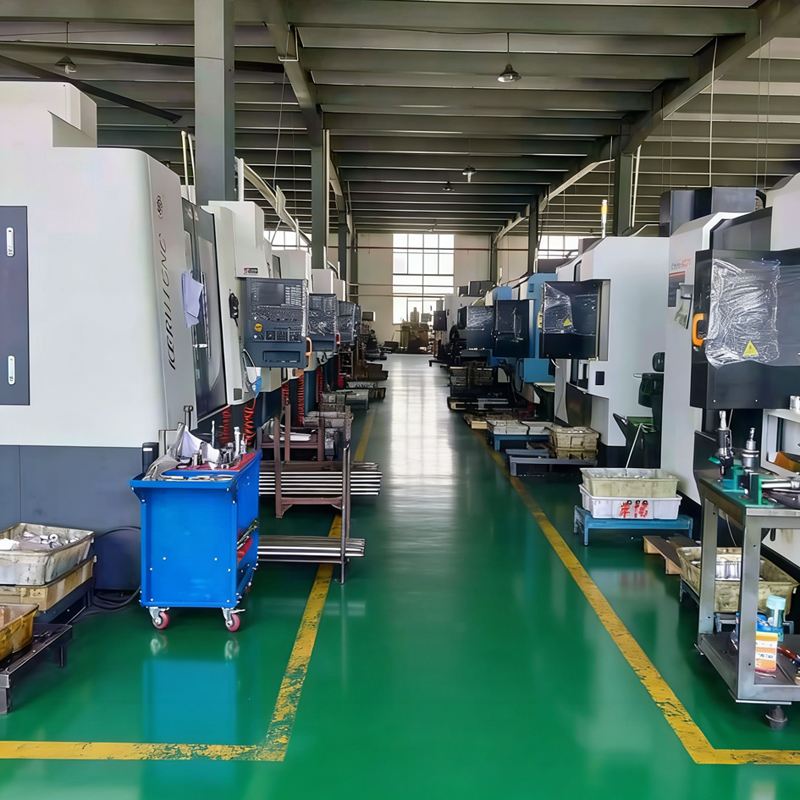
Real-world industrial installations demonstrate these design principles. Field applications in marine offshore equipment and hygienic food processing equipment confirm that passivated stainless steel handles maintain surface integrity without degradation under continuous exposure to high humidity and saltwater spray.
Data/Solution Comparison
| Material / Specification | Corrosion Resistance | Mechanical Load Capacity | Recommended Environment | Common Surface Treatment |
|---|---|---|---|---|
| 316 Stainless Steel | High (Seawater / Chemical) | High | Marine, Offshore, Chemical Systems | Electropolishing, Passivation |
| 304 Stainless Steel | Medium-High (Atmospheric Humidity) | High | Food Processing, Industrial Doors | Polishing, Brushed Finish |
| 6061/7075 Aluminum Alloy | Medium (Resists Oxidation) | Medium-High | Automation Equipment, Portable Cabinets | Anodizing, Hard Anodizing |
| Engineering Plastic (PA6 / Bakelite) | Complete (Non-Metallic) | Medium | Electrical Cabinets, Lightweight Doors | Matte, Textured Finish |
Frequently Asked Questions (FAQ)
What is the difference between 304 and 316 stainless steel handles in humid environments?
Grade 304 stainless steel resists standard freshwater and atmospheric humidity effectively. Grade 316 contains molybdenum, providing superior resistance against chlorides, salt spray, and aggressive industrial chemicals found in marine or coastal installations.
Why are blind-hole thread mountings preferred for high-humidity door handles?
Blind-hole female threads do not penetrate entirely through the handle body. This creates an impermeable solid barrier that prevents water and ambient condensation from seeping into internal mechanical threads and equipment cabinets.
What surface treatment provides the best rust protection for industrial hardware handles?
Electropolishing and passivation are effective treatments for stainless steel, as they clean surface impurities and enhance the passive chromium oxide layer. For aluminum handles, hard anodization creates a thick, wear-resistant, and corrosion-proof oxide shell.
Final Conclusion & Recommendations
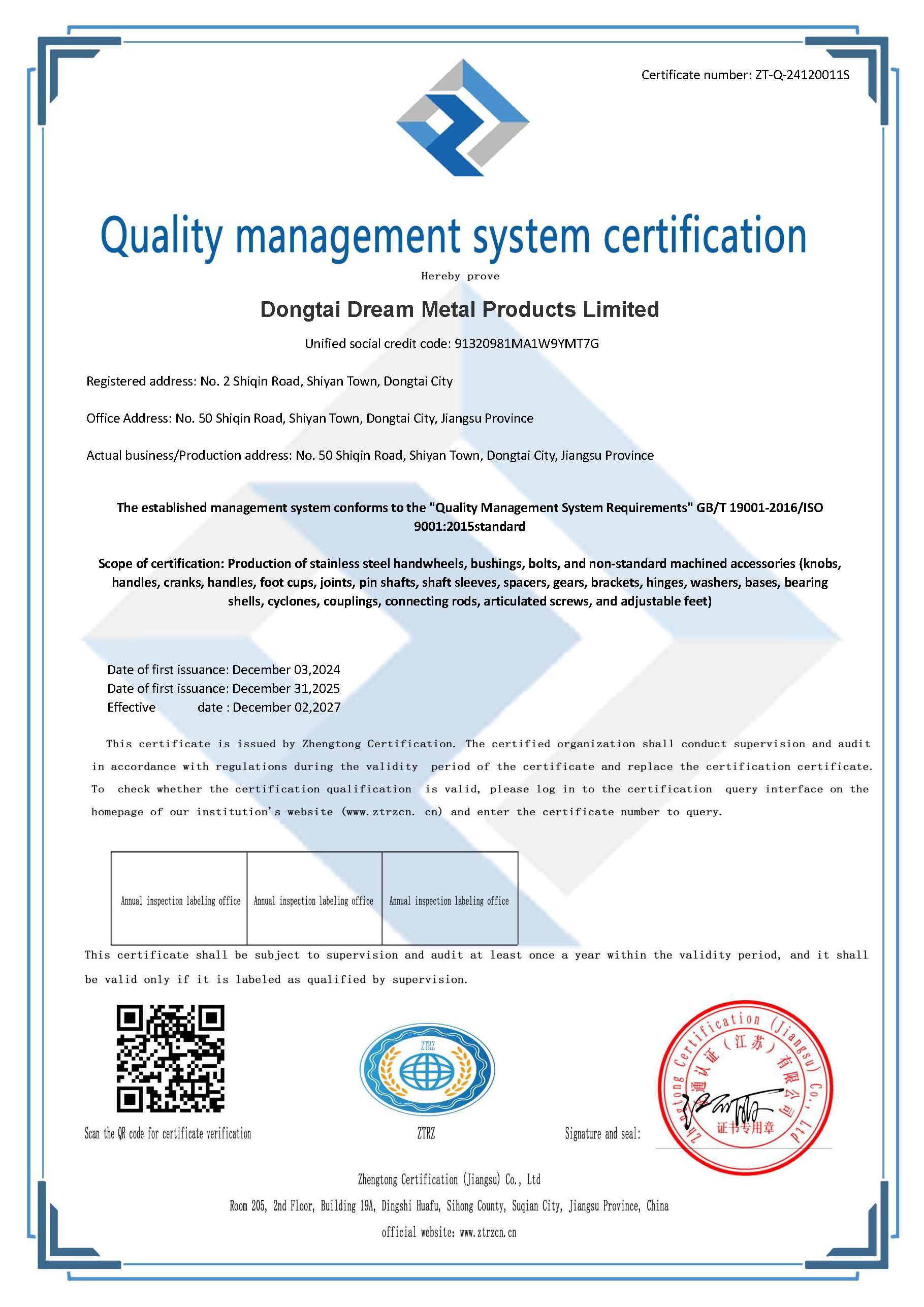
Selecting heavy-duty door handles for high-humidity applications requires matching the material grade, mechanical strength, and surface protection to the specific environmental exposure. Utilizing standardized testing, certified quality management systems, and specialized thread designs ensures long-term operational performance without structural oxidation or mechanical failure. OEM and custom CNC machining configurations allow precise adaptation of dimensions, mounting styles, and surface finishes for targeted industrial applications. For detailed technical solutions or support, please reach out to us via 86-15868979792.
About Us
ZheJiang Dream Industry Limited specializes in custom design and precision manufacturing of CNC machined parts, operator controls, and structural hardware assemblies in stainless steel, aluminum, carbon steel, and engineering plastics. Established in 2008, the company operates a modern 2,500 square meter factory facility supported by a team of 34 dedicated personnel, delivering over 250,000 components per month. Operating under an ISO 9001 certified quality management system, the enterprise maintains strict dimensional tolerance control down to ±0.03mm and serves industrial equipment manufacturers across global export markets.
Lastest
-
What key quality control documents should I request when auditing a potential CNC components factory?
2026-08-09 -
How long does it usually take a manufacturer to produce and ship custom CNC component prototypes?
2026-08-09 -
How do I choose between 3-axis and 5-axis CNC components for high-precision aerospace parts?
2026-08-09 -
Are there any emerging materials that could replace traditional steel CNC components to reduce weight?
2026-08-09 -
Can you explain the process of adding a custom logo and specific dimensions to a cast iron handwheel?
2026-08-09
SUBSCRIBE
INQUIRY