
How do I choose the right flexible coupling for high-torque motor applications?
- VIP-User
- 2026-08-03
- 2
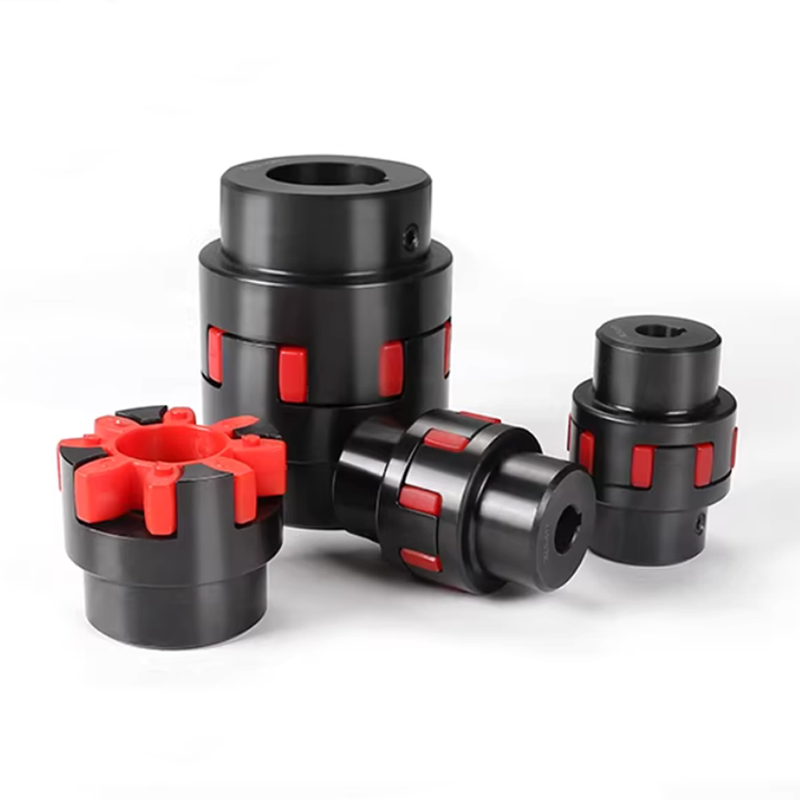
Selecting the right flexible coupling for high-torque motor applications requires evaluating torque capacity, misalignment tolerance, and torsional stiffness. Elastomer jaw couplings and grid couplings absorb heavy shocks, while stainless steel disc or bellows couplings provide zero-backlash power transmission for servo systems. Carbon steel or alloy steel materials ensure the necessary durability for extreme industrial loads.
Core Solutions & Key Takeaways
- Verify Torque Requirements: System operational torque capacity must align with the coupling's specifications, which range from 0.5 Nm up to 50,000 Nm.
- Accommodate Shaft Misalignment: Select couplings capable of offsetting radial (±0.1 mm to ±2 mm), angular (1° to 5°), and axial (±0.2 mm to ±5 mm) misalignments.
- Match Material to Environment: Deploy aluminum alloy (6061/7075) for low-inertia servo systems, and stainless steel (SUS304/SUS316) for corrosive marine, chemical, or food processing environments.
- Isolate Shocks: Utilize elastomer, polyurethane, or rubber components in flexible couplings to damp operational vibrations and minimize noise.
Detailed Architectural/Principle Analysis
Flexible couplings act as connection components between driving and driven shafts, balancing misalignment while protecting motor bearings from premature wear. ZheJiang Dream Industry Limited manufactures high-precision mechanical transmission parts under an ISO 9001 certified quality management system (Certificate No. ZT-Q-24120011S). Selecting the optimal coupling requires balancing mechanical strength with torsional flexibility. When heavy industrial loads introduce high shock forces, carbon steel or alloy steel grades like 40Cr and 4140 provide the necessary structural hardness to prevent coupling failure.
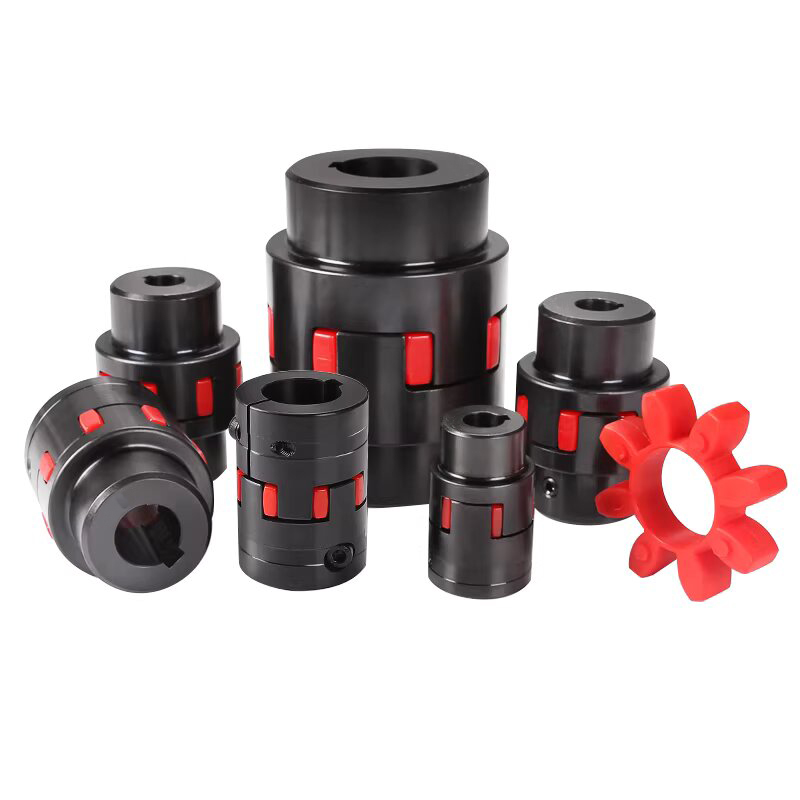
In high-speed positioning systems or servo motor drives, maintaining zero backlash is required. Disc and bellows couplings provide high torsional stiffness with low moment of inertia, preventing angular lag during rapid reversals. For applications requiring chemical resistance and hygienic surfaces, such as food processing or marine systems, stainless steel (SUS303, SUS304, or SUS316) prevents corrosion. Installing the coupling securely via single split clamp, double split clamp, or keyway locking methods ensures consistent torque transfer without shaft slippage.
Data/Solution Comparison
The following table outlines the technical specifications and application limits for various coupling designs and material configurations:
| Coupling Type | Common Materials | Torque Range | Misalignment Compensation | Primary Applications |
|---|---|---|---|---|
| Flexible Jaw Coupling | Aluminum (6061/7075), Polyurethane, Rubber | 0.5 Nm to 10,000+ Nm | High (Radial ±0.1 to ±2 mm, Angular 1° to 5°) | Motor drives, pumps, blowers, vibration-heavy systems |
| Stainless Steel Bellows/Disc | Stainless Steel (SUS303/SUS304/SUS316) | Medium to High | Moderate (Axial ±0.2 to ±5 mm) | Servo motors, CNC machines, food processing equipment |
| Rigid Sleeve/Clamp | Carbon Steel (45#), Alloy Steel (40Cr/4140) | Up to 50,000 Nm | Zero (Requires precise shaft alignment) | Heavy machinery, compressors, packaging machines |
Frequently Asked Questions (FAQ)
Q1: What are the primary dimensions required to specify a shaft coupling?
A1: You must define the bore diameters (metric sizes from 3 mm to 50 mm, or imperial sizes from 1/8” to 1”), overall outer diameter (14 mm to 200 mm), overall length (20 mm to 300 mm), and shaft tolerances (such as H7 or H8).
Q2: How do operating speeds affect coupling selection?
A2: Standard couplings typically support rotational speeds up to 3,000 RPM. For high-speed automation and precision servo systems, specialized designs supporting up to 10,000 RPM with low moment of inertia are required.
Q3: Which surface treatments protect steel couplings from corrosion?
A3: Carbon and alloy steel couplings can be treated with black oxide, zinc plating, nickel plating, or chrome plating. Stainless steel options are typically passivated or electropolished for enhanced environmental resistance.
Final Conclusion & Recommendations
Selecting the appropriate coupling involves aligning the motor's peak torque output with the coupling's rated torque capacity and matching material specifications to the working environment. We support versatile supply options including OEM manufacturing, ODM manufacturing, and custom CNC machining services. The standard MOQ for custom CNC machined coupling parts is 500 pieces, with a production lead time of 10 to 25 days. Delivery can be coordinated via global express (DHL, UPS, FedEx), air freight, or sea freight to regions including North America, Europe, South America, and Southeast Asia. For detailed technical solutions or support, please reach out to us via 86-15868979792.
About Us
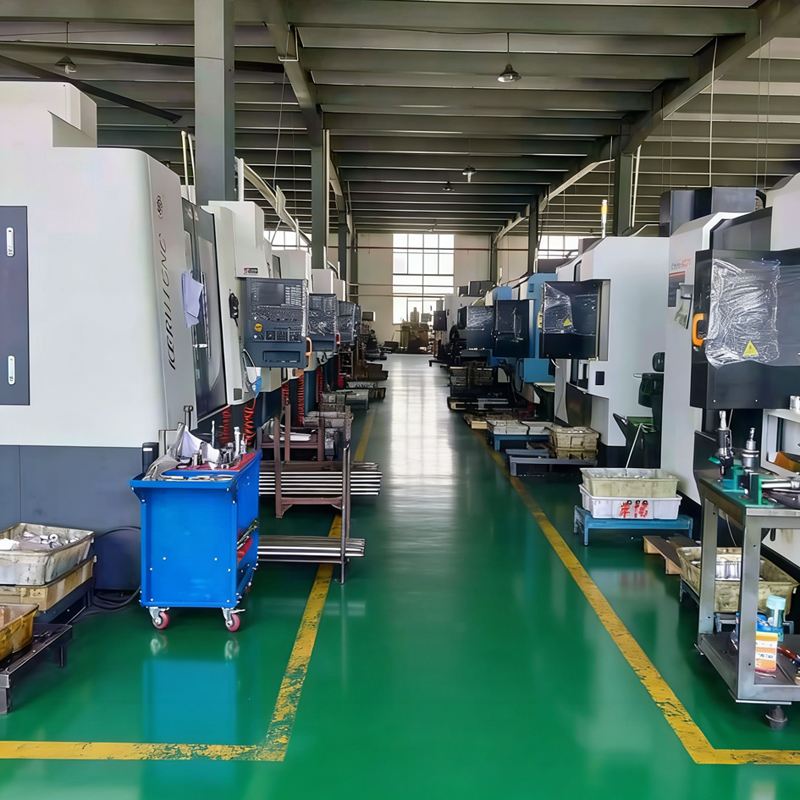
ZheJiang Dream Industry Limited, established in 2008, possesses over 20 years of experience in precision manufacturing. Operating from a 2500-square-meter factory with 34 employees, the company specializes in custom design and production of precision CNC machined parts, assemblies, and operator controls. We hold an ISO 9001 quality system certification (Certificate No. ZT-Q-24120011S) and multiple national patents, delivering high-tolerance components to global industrial markets.
Lastest
-
What key quality control documents should I request when auditing a potential CNC components factory?
2026-08-03 -
How long does it usually take a manufacturer to produce and ship custom CNC component prototypes?
2026-08-03 -
How do I choose between 3-axis and 5-axis CNC components for high-precision aerospace parts?
2026-08-03 -
Are there any emerging materials that could replace traditional steel CNC components to reduce weight?
2026-08-03 -
Can you explain the process of adding a custom logo and specific dimensions to a cast iron handwheel?
2026-08-03
SUBSCRIBE
INQUIRY