
How do I choose stainless steel dowel pins for high-vibration machinery?
- VIP-User
- 2026-08-12
- 3
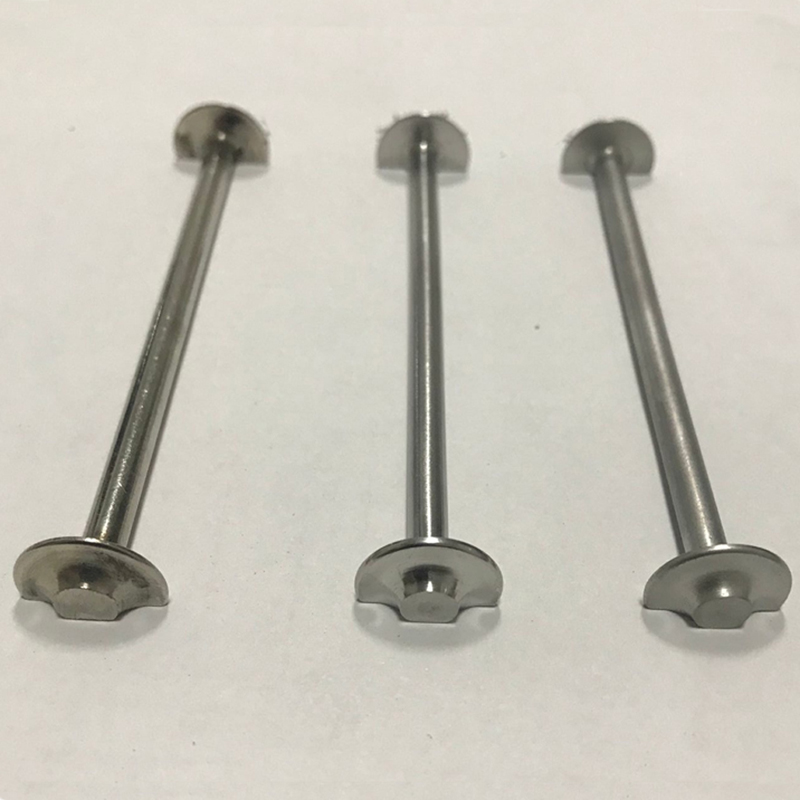
Selecting stainless steel dowel pins for high-vibration machinery requires evaluating material grades, precision tolerances, and surface hardness. High-fatigue 316 or 420 stainless steel with hardened surfaces (HRC 45–62) prevents shearing and micro-fretting. Utilizing tight tolerance fits such as m6 or h6 ensures interference positioning, retaining structural alignment under intense operational vibration.
Core Solutions & Key Takeaways
- Material Grade Selection: Opt for 316 stainless steel for aggressive marine or chemical environments, or 420 stainless steel when higher mechanical hardness is needed to withstand high dynamic loads.
- Precision Fit and Tolerances: Specify tight tolerance classes like m6 or h6 (with precision ground tolerances down to ±0.03 mm) to maintain press-fit alignment and prevent joint movement under continuous cycling.
- Thermal and Heat Treatment Requirements: Implement hardening, quenching, or tempering processes to raise surface hardness up to HRC 45–62, resisting surface galling and shearing fatigue.
- Application-Specific Configurations: Deploy pull-out, grooved, or threaded dowel pins across industrial machinery, power transmission systems, and automation equipment to streamline retention and maintenance access.
Detailed Architectural/Principle Analysis
Industrial equipment operating under high vibration, such as packaging machinery, power transmission systems, and heavy-duty gearboxes, places severe shear stress on mechanical positioning components. Standard fasteners can loosen or deform over time. Utilizing precision stainless steel dowel pins provides a stable physical reference point that isolates load-bearing bolts from direct shear forces, preserving system geometry under dynamic excitation.
Proper material selection determines long-term fatigue life. Grade 304 and 316 stainless steel offer strong corrosion resistance for food processing and marine applications, while martensitic grades like 420 stainless steel undergo heat treatment—including induction hardening or carburizing—to reach hardness levels of HRC 45–62. This prevents localized micro-yielding and fretting corrosion caused by high-frequency oscillatory contact.
Dimensional consistency is equally critical. Tolerances matching h6, h7, or m6 standards guarantee predictable interference fits. Precision machining practices certified under ISO 9001 systems keep key dimensional accuracy within ±0.03 mm, ensuring uniform load distribution across all locating points and eliminating micro-slop in automated assemblies.
Data/Solution Comparison
| Pin Parameter / Metric | Standard Locating Pin | High-Vibration Heavy-Duty Pin | Safety / Shear Lock Pin |
|---|---|---|---|
| Primary Stainless Steel Grades | 303 / 304 Stainless Steel | 316 / 420 Stainless Steel | 304 / 420 Stainless Steel |
| Hardness Range | Standard (Untreated) | HRC 45–62 (Hardened/Tempered) | Application-Specific (Defined Shear Value) |
| Dimensional Tolerance | h7 / ±0.08 mm | m6 / h6 / ±0.03 mm | h7 / ±0.05 mm |
| Primary Application Focus | General Machine Alignment | High-Vibration Transmission & Motors | Torque & Overload Protection |
Frequently Asked Questions (FAQ)
What tolerance fit is recommended for stainless steel dowel pins in vibrating equipment?
An m6 interference fit or h6 tight transitional fit is generally recommended. These tolerances prevent micro-movement between the dowel pin and the housing bore under repeated shock loads and oscillatory forces.
How does heat treatment improve dowel pin performance under cyclic vibration?
Processes such as hardening, quenching, and tempering elevate surface hardness up to HRC 45–62. This increases yield strength, wear resistance, and fatigue threshold, preventing the pin from shearing or deforming under sustained mechanical vibration.
Can stainless steel dowel pins be customized for specific high-vibration applications?
Yes. Custom options include specific material grades (304, 316, 420), custom length and diameter dimensions (ranging from 1 mm to 30 mm diameter), specialized surface coatings like black oxide or passivation, and custom mechanical shear ratings.
Final Conclusion & Recommendations
Selecting the right stainless steel dowel pin for high-vibration machinery involves balancing material corrosion resistance, surface hardness, and precision tolerances. Utilizing hardened 316 or 420 stainless steel with m6 or h6 fits protects equipment against structural drift, premature shearing, and wear. Flexible manufacturing models—such as OEM and ODM production with low MOQ thresholds starting at 100 pieces for standard custom pins—allow engineers to deploy optimized hardware solutions tailored to specific operational requirements. For detailed technical solutions or support, please reach out to us via 86-15868979792.
About Us
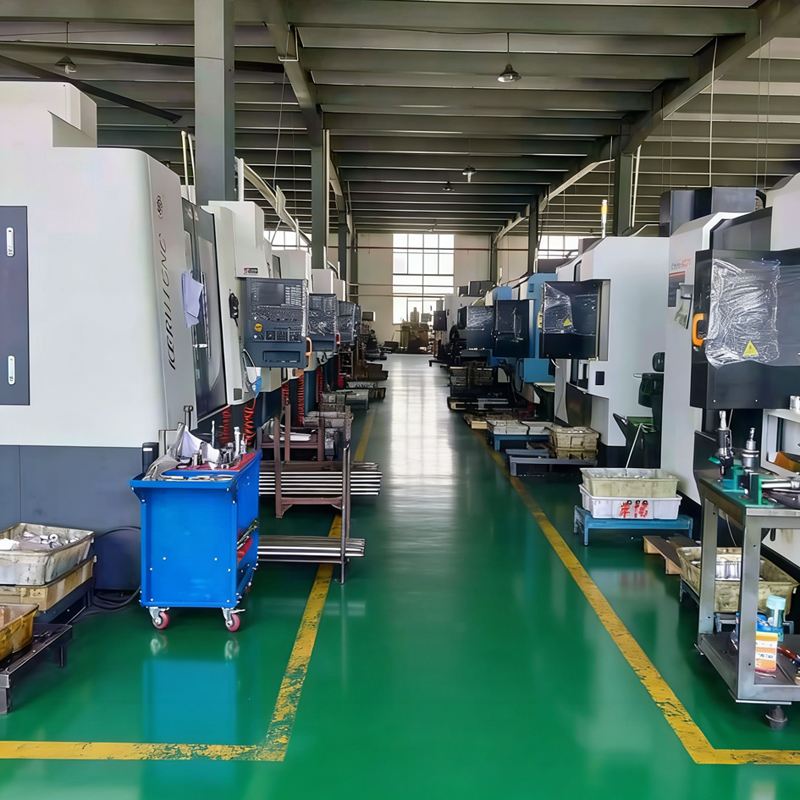
Zhejiang Dream Industry Limited specializes in precision hardware manufacturing with over 20 years of technical expertise. Established in 2008, the company operates a modern 2,500 square meter factory facility supported by a team of 34 professionals, including 3 senior engineers and dedicated quality inspectors. Certified under ISO 9001 (Certificate ZT-Q-24120011S) and holding multiple utility patents, the company delivers custom CNC precision machining, turning, milling, and hardware component manufacturing for global industrial clients across 30+ countries and regions.
Lastest
-
What key quality control documents should I request when auditing a potential CNC components factory?
2026-08-12 -
How long does it usually take a manufacturer to produce and ship custom CNC component prototypes?
2026-08-12 -
How do I choose between 3-axis and 5-axis CNC components for high-precision aerospace parts?
2026-08-12 -
Are there any emerging materials that could replace traditional steel CNC components to reduce weight?
2026-08-12 -
Can you explain the process of adding a custom logo and specific dimensions to a cast iron handwheel?
2026-08-12
SUBSCRIBE
INQUIRY