
How do I choose between male and female clamping knobs for heavy machinery?
- VIP-User
- 2026-07-30
- 21
Choosing between male and female clamping knobs for heavy machinery depends on your equipment's existing stud configuration and clearance. Male clamping knobs, featuring external threaded studs, are ideal for direct insertion into threaded holes on heavy machinery. Female clamping knobs, with internal threaded inserts, work best when mating with pre-existing protruding bolts, ensuring high torque transfer and flush surface alignment.
Core Solutions & Key Takeaways
- Male Stud Knobs: Perfect for blind holes or direct casting threads, allowing quick assembly without requiring separate threaded fasteners.
- Female Threaded Knobs: Offer adjustable depth control on long studs, protecting the machine's external thread from damage while handling high-tension loads.
- Material Suitability: Metal inserts made of stainless steel (SUS304 or SUS316L) or brass resist stripping and provide corrosion protection, while glass-fiber reinforced polyamide bodies offer high torque resistance.
- Industrial Applications: Commonly integrated into packaging machinery guide rails, automation equipment positioning systems, and CNC machine fixture adjustments.
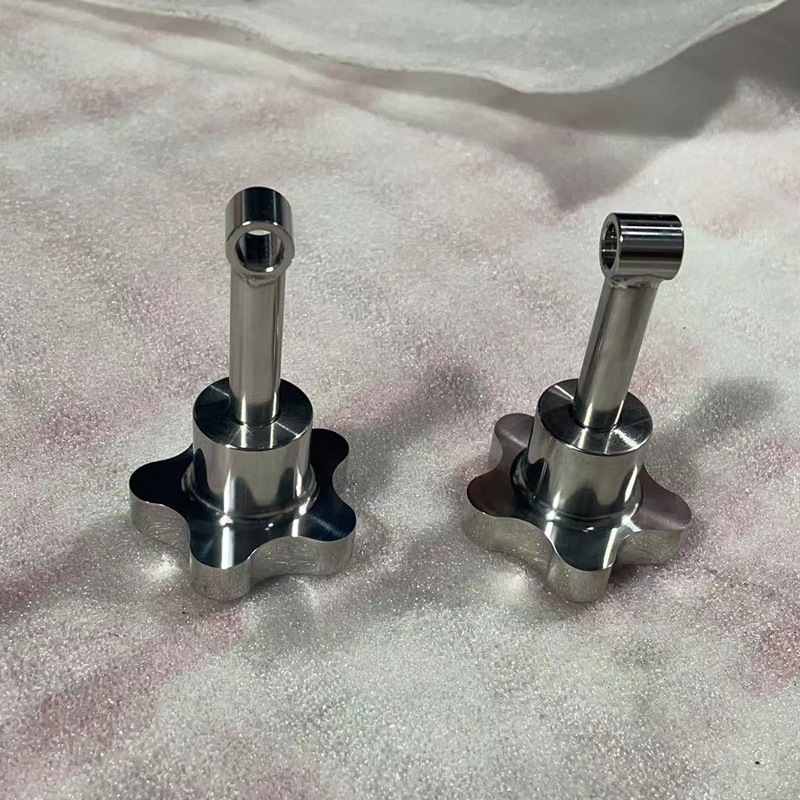
Detailed Architectural/Principle Analysis
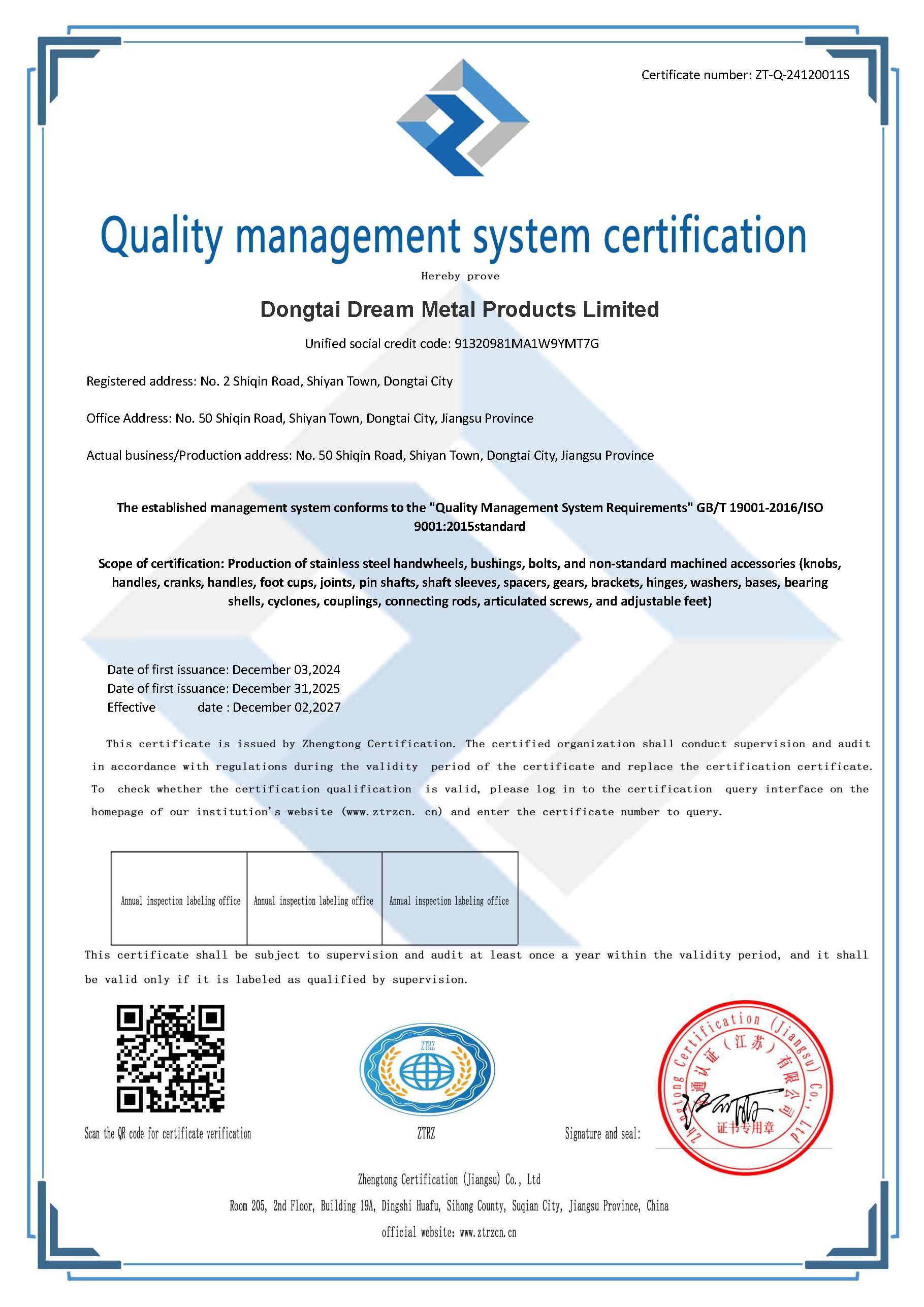
In heavy industrial environments, clamping knobs are subjected to continuous manual tightening, mechanical vibrations, and exposure to oils or solvents. Choosing the wrong mounting type can lead to thread stripping, component failure, or operational delays. The male stud configuration utilizes a solid metal bolt molded directly into the knob head (available in thermoplastic, phenolic, or solid metal). This design transfers torque directly from the operator's hand to the machine frame. It is highly effective for structural adjustments where the mating surface is a flush, threaded hole. Conversely, female clamping knobs feature a threaded blind insert or a through-hole design. The insert is typically manufactured from brass or stainless steel to ensure smooth threading and long service life. When fitted onto a protruding stud, the female knob distributes the clamping pressure evenly across the threads, preventing deformation under high load cycles. To guarantee the reliability of these mechanical components, ZheJiang Dream Industry Limited applies precise manufacturing standards. With ISO 9001 certified processes (Certificate ZT-Q-24120011S), the company achieves dimensional tolerances of up to ±0.03 mm. For instance, in an adjustable clamping knob project for CNC machines in Italy, the company supplied 65,000 pieces of heavy-duty knobs for positioning and fixture locking systems, ensuring long-term wear resistance and secure holding force under high vibrations.
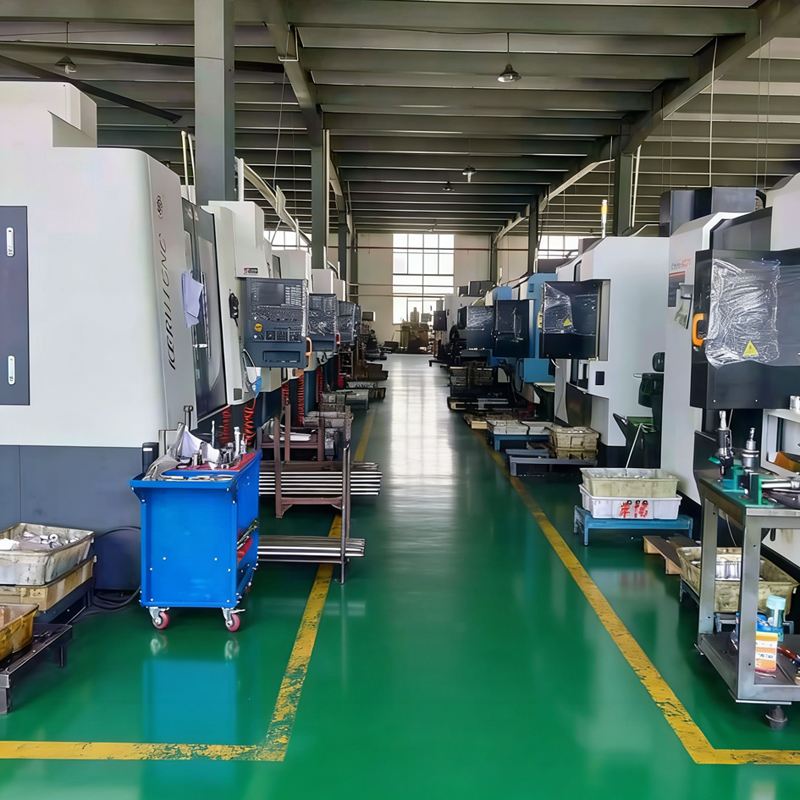
Data/Solution Comparison
The following table outlines the operational differences and physical specifications between male and female clamping knob configurations used in industrial environments:
| Feature/Parameter | Male Clamping Knob (External Stud) | Female Clamping Knob (Internal Insert) |
|---|---|---|
| Mounting Interface | External threaded bolt/stud | Internal threaded insert (blind or through-hole) |
| Thread Sizes | Metric M4 to M16; Imperial 1/4”-20 to 3/8”-16 | Metric M4 to M16; Imperial 1/4”-20 to 3/8”-16 |
| Thread Length Options | 10 mm to 50 mm (custom lengths available) | Dependent on insert depth or through-hole structure |
| Insert Material Options | SUS303, SUS304, SUS316L, carbon steel | Brass, SUS304, SUS316L, zinc-plated steel |
| Torque Performance | High torque transfer directly through the solid stud | Excellent pull-out resistance and thread durability |
| Best For | Flush threaded holes on heavy machine bodies | Protruding bolts, studs, and variable depth adjustments |
Frequently Asked Questions (FAQ)
Q1: What materials are recommended for clamping knobs used in corrosive marine or chemical environments?
A1: For offshore, marine, or chemical applications, clamping knobs with SUS316L stainless steel studs or inserts are recommended. They provide superior resistance to saltwater and harsh chemicals, preventing oxidation and thread seizing.
Q2: Can thermoplastic clamping knobs withstand high thermal loads in industrial machinery?
A2: Standard thermoplastic (PA6 Nylon) knobs operate reliably between -20°C and 120°C. For high-temperature environments, Phenolic (Bakelite) or glass-fiber reinforced polyamide knobs should be selected due to their superior rigidity and thermal dimensional stability.
Q2: How do I choose between a blind thread and a through-hole female clamping knob?
A3: A blind thread female knob protects the internal stud from dirt, moisture, and debris. A through-hole female knob allows the protruding stud to pass completely through the knob, making it ideal for applications with variable assembly thicknesses.
Final Conclusion & Recommendations
When selecting clamping knobs for heavy machinery, engineers must evaluate the space constraints, existing threading, and the required torque. For systems with pre-installed studs, female threaded knobs with brass or stainless steel inserts offer long-term durability. For direct mounting into machine castings, male stud knobs streamline the assembly process. Partnering with an experienced manufacturer that supports OEM customization allows for tailored solutions regarding thread pitches, materials, and custom colors. For detailed technical solutions or support, please reach out to us via 86-15868979792.
About Us
ZheJiang Dream Industry Limited, known under the brand MXCZ, has over 20 years of experience in precision manufacturing. Established in 2008, the company operates a 2500sqm factory facility equipped with over 100 production and inspection units and employs 34 skilled specialists. The manufacturing system is ISO 9001 certified (Certificate ZT-Q-24120011S), maintaining a strict quality control process that limits defects to below 0.3%. The company has served international clients across multiple industries, delivering high-performance components to markets in Europe, America, and Southeast Asia.
Lastest
-
What key quality control documents should I request when auditing a potential CNC components factory?
2026-07-30 -
How long does it usually take a manufacturer to produce and ship custom CNC component prototypes?
2026-07-30 -
How do I choose between 3-axis and 5-axis CNC components for high-precision aerospace parts?
2026-07-30 -
Are there any emerging materials that could replace traditional steel CNC components to reduce weight?
2026-07-30 -
Can you explain the process of adding a custom logo and specific dimensions to a cast iron handwheel?
2026-07-30
SUBSCRIBE
INQUIRY