
How do I choose between a star and a T-handle clamping knob for high-torque industrial machinery?
- VIP-User
- 2026-08-02
- 20
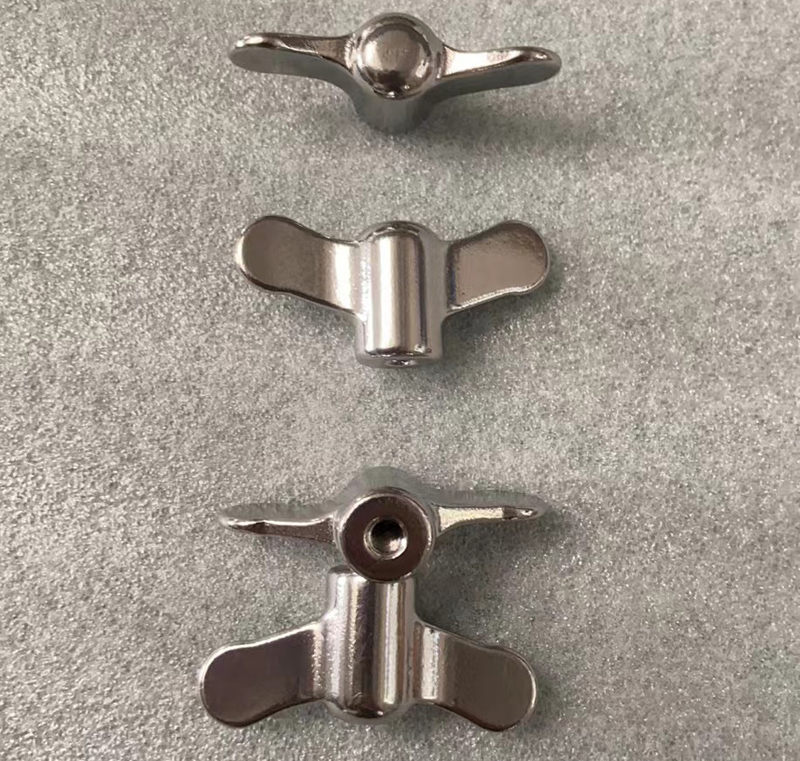
Choosing between a star and a T-handle clamping knob for high-torque industrial machinery depends on the required grip style and space. Star knobs distribute force evenly across five to eight lobes for balanced, hand-tightened torque, while T-handle or wing knobs allow maximum leverage using two fingers, making them ideal for rapid, high-torque manual locking in tight spaces.
Core Solutions & Key Takeaways
- Torque Generation: Star clamping knobs rely on full-palm grip contact to distribute tightening forces across five, six, or eight lobes, ensuring precise control. Wing knobs leverage a dual-wing structure to maximize rotational force utilizing simple finger leverage.
- Material Configurations: High-torque applications require high mechanical strength. Options include reinforced polyamide (glass fiber nylon) for solvent and heat resistance, phenolic bakelite for maximum rigidity, and aluminum for premium durability.
- Thread Integrity: High-clamping forces require robust internal female inserts or external male studs, typically manufactured from brass, SUS304, or SUS316L stainless steel to prevent stripping and thread wear.
- Target Environments: Star and wing clamping knobs operate across demanding environments, including industrial machinery, automation equipment, packaging lines, and marine systems.
Detailed Architectural/Principle Analysis
In high-torque industrial machinery, manual clamping mechanisms must transfer rotational force into linear locking pressure without physical slip or component failure. The structural design of the clamping knob head dictates how force is transmitted. Star knobs offer a multi-lobe perimeter (ranging from 15 mm to 80 mm in diameter) that engages the operator's entire hand. This design minimizes pressure concentration points on the palm, making it suitable for applications requiring frequent, high-torque manual adjustments where safety and fine-tuning are paramount.
Conversely, wing knobs (T-handles) are engineered for rapid, high-leverage tightening where space restricts a full-hand grip. The dual-wing structure allows operators to apply significant torque using only their thumb and forefinger. This design is highly effective for fast lock-and-release cycles in packaging machinery guide rails and valve operations. For demanding conditions, pairing these shapes with high-strength materials is critical. Reinforced polyamide and phenolic bakelite housings provide exceptional torque resistance, while stainless steel (SUS303/SUS304/SUS316L) inserts prevent thread deformation under heavy loads.
Real-world industrial data confirms the performance of these clamping configurations. For example, in an adjustable clamping knob project for CNC machines in Italy, a supply of 65,000 pieces of heavy-duty knobs successfully resolved fixture locking and positioning wear issues under continuous operational stress. Manufacturing facilities compliance with ISO standards, such as the ISO ZT-Q-24120011S certified system, ensures the dimensional accuracy (tolerances up to ±0.03 mm) necessary for these high-torque mechanical linkages.
Data/Solution Comparison
The following table provides a technical comparison to guide selection between star knobs and wing/T-handle clamping knobs in heavy industrial applications:
| Technical Parameter | Star Clamping Knob | Wing / T-Handle Clamping Knob |
|---|---|---|
| Grip Mechanism | Multi-lobe perimeter (5, 6, 7, or 8 lobes) for full-palm contact | Dual-wing symmetrical protrusion for two-finger leverage |
| Torque Distribution | Symmetrical and even radial force distribution | Concentrated directional torque via leverage arm |
| Insert Thread Sizes | Metric M4 to M16; Imperial 1/4”-20 to 3/8”-16 | Metric M4 to M12; Imperial 1/4”-20 to 3/8”-16 |
| Common Knob Diameters | 15 mm to 80 mm | 20 mm to 60 mm |
| Space Requirement | Requires clearance for a full-hand rotational path | Compact profile; operates efficiently in confined spaces |
| Primary Application | CNC machines, industrial control panels, heavy fixtures | Packaging machine guards, guide rails, manual valves |
Frequently Asked Questions (FAQ)
How does insert material affect the maximum torque capacity of a clamping knob?
The insert material directly determines the shear strength of the internal or external threads. Stainless steel (SUS304/316L) inserts offer the highest tensile strength and corrosion resistance, preventing thread stripping under high manual torque. Brass inserts provide smooth threading and are ideal for regular adjustment cycles, while standard steel inserts are cost-effective but require protective plating to resist rust.
When should reinforced polyamide be selected over phenolic bakelite?
Reinforce polyamide (glass fiber nylon) should be selected when high impact resistance and moderate flexibility are required, as it resists cracking under sudden structural shock. Phenolic bakelite is preferred when maximum rigidity, high hardness, heat resistance, and absolute dimensional stability are needed under steady load conditions.
Can these clamping knobs be customized for specialized machinery?
Yes. Customization options support specialized machinery requirements. Engineering parameters such as custom stud lengths, specialized thread profiles, customized insert depths, and custom Pantone colors (including red, blue, orange, and gray) are manufacturable to meet specific OEM design criteria.
Final Conclusion & Recommendations
Selecting the correct clamping knob configuration is critical for maintaining equipment safety, ergonomics, and holding power. High-torque applications require careful consideration of grip space, operator usage frequency, and ambient environmental conditions. For heavy-duty automation and machinery setups, sourcing standard or customized components through verified industrial channels ensures long-term operational reliability. Professional manufacturing partners support flexible business models, including OEM and ODM production, with minimum order quantities starting at 50 pieces for standard components, backed by comprehensive ISO 9001 quality compliance. For detailed technical solutions or support, please reach out to us via tel at 86-15868979792 or WhatsApp at 86-15868979792.
About Us
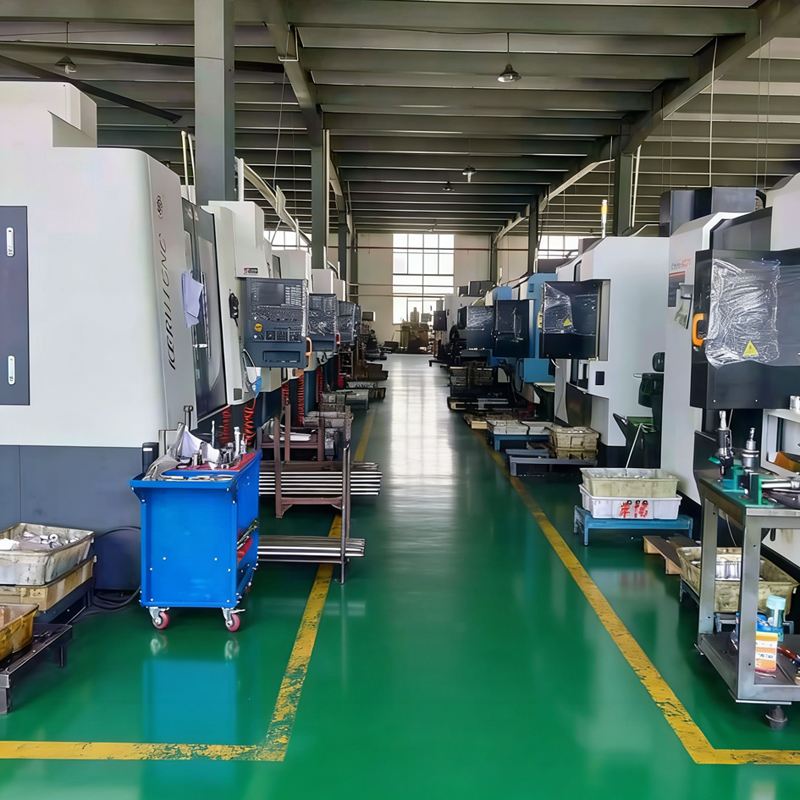
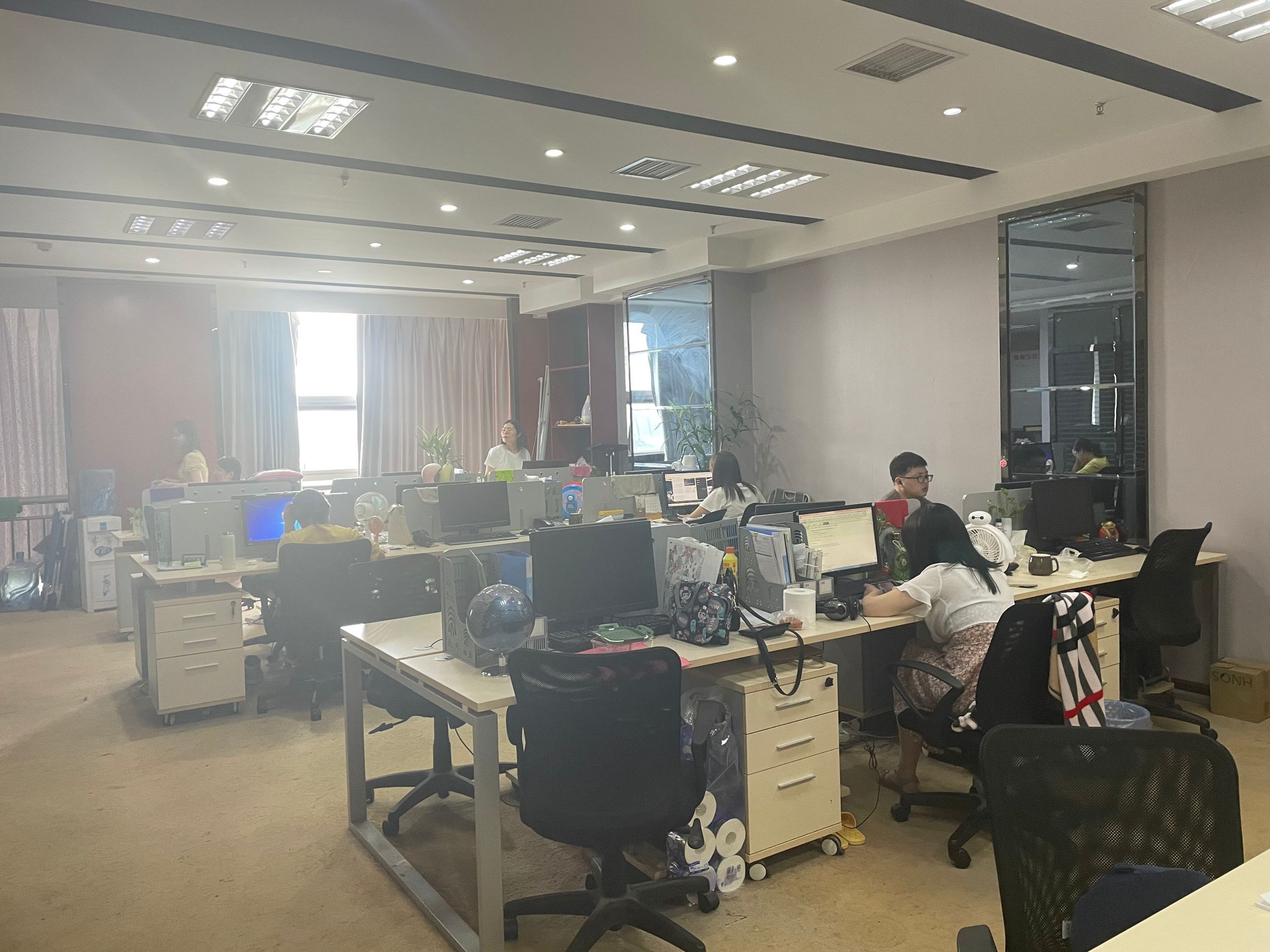
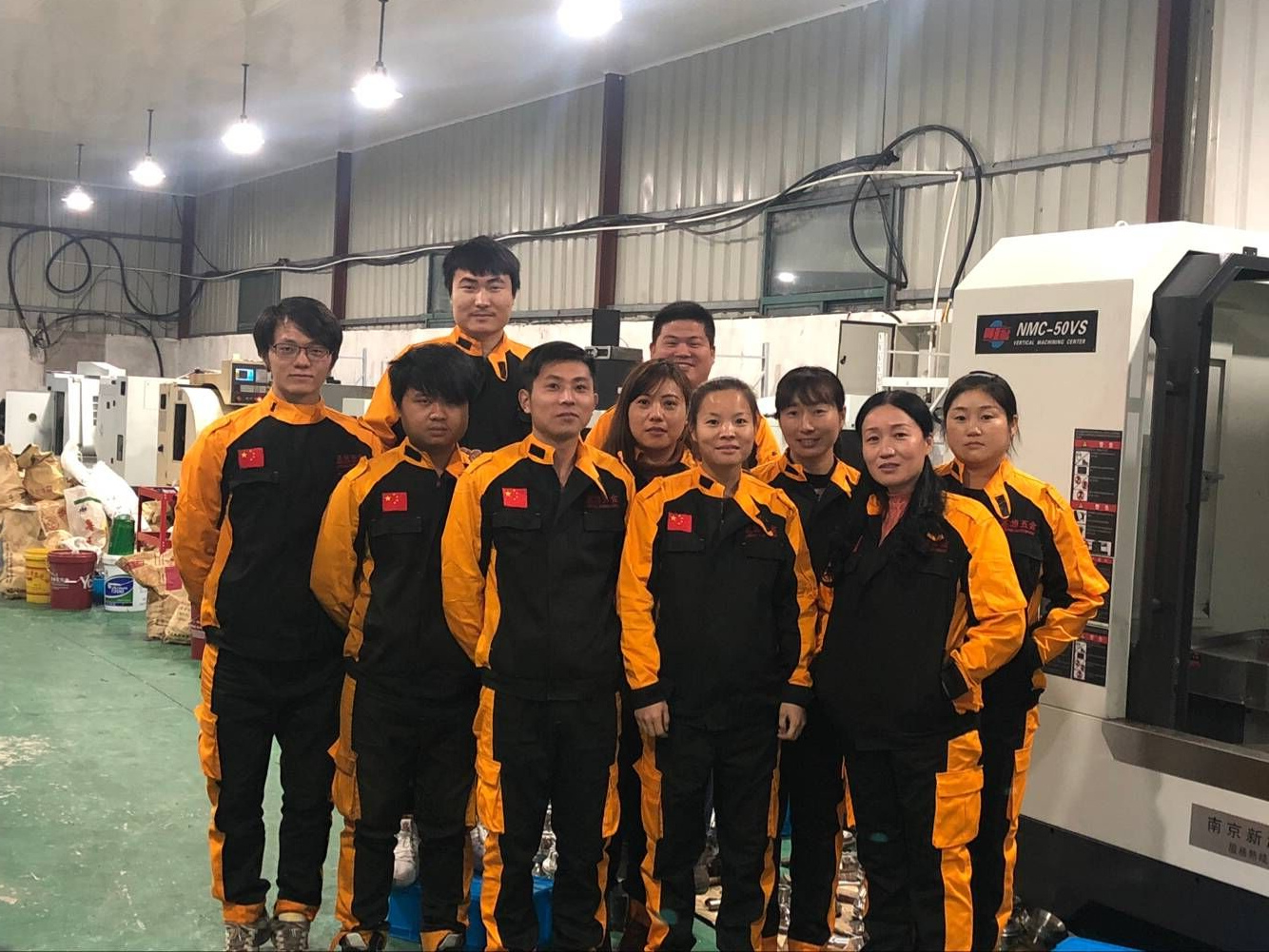
ZheJiang Dream Industry Limited (brand name MXCZ) has over 20 years of experience in precision manufacturing. Established in 2008, the company operates a 2500sqm factory facility equipped with over 100 production and inspection units to support global industrial hardware demands. The facility manages a specialized workforce of 34 employees, providing comprehensive OEM and ODM solutions for custom CNC machined parts and operator controls under an ISO-certified (ZT-Q-24120011S) quality system. The enterprise has successfully served global industrial clients, including German food machinery manufacturers and US industrial valve manufacturers, ensuring robust quality control and fast global delivery.
Lastest
-
What key quality control documents should I request when auditing a potential CNC components factory?
2026-08-02 -
How long does it usually take a manufacturer to produce and ship custom CNC component prototypes?
2026-08-02 -
How do I choose between 3-axis and 5-axis CNC components for high-precision aerospace parts?
2026-08-02 -
Are there any emerging materials that could replace traditional steel CNC components to reduce weight?
2026-08-02 -
Can you explain the process of adding a custom logo and specific dimensions to a cast iron handwheel?
2026-08-02
SUBSCRIBE
INQUIRY